Exploring Embabel and LangGraph4j: Two Approaches to AI Agent Development in Java
Embabel and LangGraph4j offer distinct methods for Java developers to create multi-step AI agents, reflecting two different philosophies in software design.
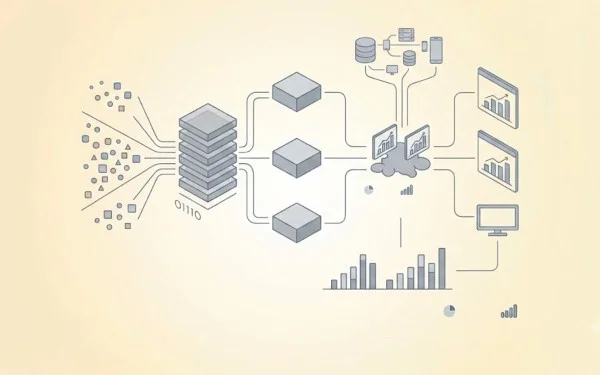
Data analysis, big data, and business intelligence
Found 340 articles
Embabel and LangGraph4j offer distinct methods for Java developers to create multi-step AI agents, reflecting two different philosophies in software design.
Go 1.24 enhances map performance with Swiss Tables, boosting speed and reducing memory usage while retaining existing functionality.
Effective telemetry and observability are essential for maintaining system performance, especially at high scale, yet they pose significant challenges in implementation.
Discover how Neo4j can unveil connections within Formula 1 data, drawing parallels to popular social connection theories.
Databricks and Snowflake are integrating Kafka protocols, streamlining data ingestion and reinforcing Kafka's status as the go-to for event streaming.
Provenance is vital for tracking the origin and context of AI-generated code, offering transparency and accountability in software development.
Temporal Nexus transforms agent systems by establishing durable service contracts, improving reliability beyond typical HTTP handoffs.
Self-healing SQL pipelines should prioritize controlled repairs over autonomous query execution to ensure safety and correctness.
Phantom failures in distributed systems can wreak havoc during production outages. Here’s how they manifest and what to consider in testing.
Accurate cost allocation in Kubernetes is essential as AI introduces complexities, requiring teams to trust and understand their spending.
Developing structured event streams can transform bug reporting by reconstructing execution paths for better issue diagnosis in modern applications.
Ensure single payments in mobile apps by implementing idempotency, minimizing double charges despite network issues.
AI agents adapt plans on-the-fly, making reconciling past actions with new decisions a complex yet vital part of the Workflow Event History.
Discover how to create a product recommendation engine using Neo4j, leveraging graph data structures with Cypher queries — no machine learning required.
Prompt caching offers savings, but the initial cost can exceed non-cached options. Understanding these dynamics is crucial for optimizing agent performance.
Exploring how habits influence software quality, this piece highlights the potential threat AI poses to established practices.
Organizations often overestimate their grasp of AI workflows. The AI Workflow Inventory exposes gaps in understanding, refining delegation strategies.
Different teams often adopt varying approaches to Kubernetes deployment, creating inefficiencies. Standardizing practices can streamline delivery and onboarding.
Understanding who controls agent state in Temporal and LangGraph is essential for efficient integration, addressing distinct recovery semantics.
Meet Mayowa Fajobi, a rising star in platform engineering and AI solutions, and discover his inspiring journey in the tech industry.