Exploring Embabel and LangGraph4j: Two Approaches to AI Agent Development in Java
Embabel and LangGraph4j offer distinct methods for Java developers to create multi-step AI agents, reflecting two different philosophies in software design.
Programming languages, frameworks, and development tools
Found 130 articles
Embabel and LangGraph4j offer distinct methods for Java developers to create multi-step AI agents, reflecting two different philosophies in software design.
Databricks and Snowflake are integrating Kafka protocols, streamlining data ingestion and reinforcing Kafka's status as the go-to for event streaming.
Ensure single payments in mobile apps by implementing idempotency, minimizing double charges despite network issues.
Discover how to create a product recommendation engine using Neo4j, leveraging graph data structures with Cypher queries — no machine learning required.
Meet Mayowa Fajobi, a rising star in platform engineering and AI solutions, and discover his inspiring journey in the tech industry.
Dependency mocking tools must evolve to meet the demands of cloud native architectures, ensuring test accuracy amidst rapid deployment changes.
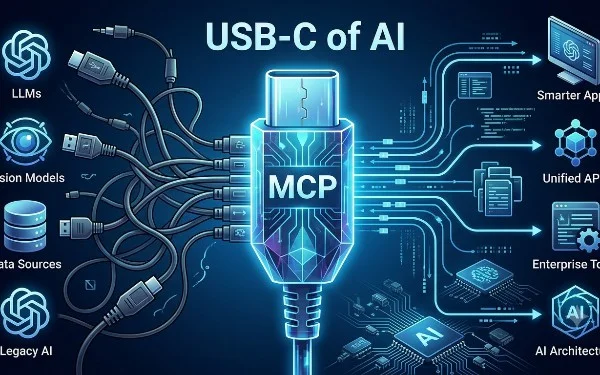
The Model Context Protocol (MCP) addresses integration challenges in AI implementations, reducing friction and improving operational efficiency.
MCP, REST/HTTP APIs, and Kafka fulfill distinct roles in AI architectures, emphasizing the need for clarity in their integration rather than competition.
Discover how to leverage OpenAI's Agents SDK within Foundry IQ, offering flexibility in model hosting and knowledge management.
Context engineering is critical for AI agents as they navigate complex environments in software development, ensuring accuracy and efficiency.
Explore how Kafka's event-driven architecture enhances enterprise AI by supporting continuous, adaptive systems that integrate seamlessly into operational workflows.
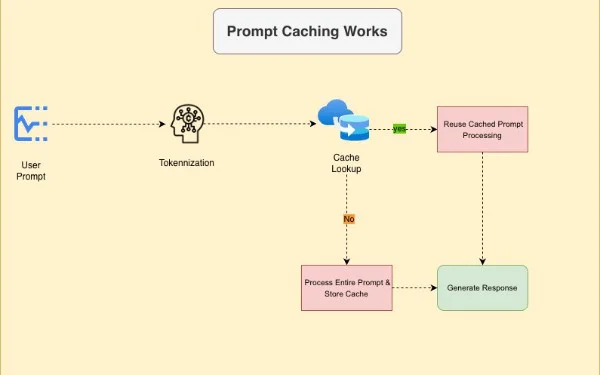
Prompt caching enhances AI response times and minimizes costs by reusing computations for repetitive prompts in enterprise applications.
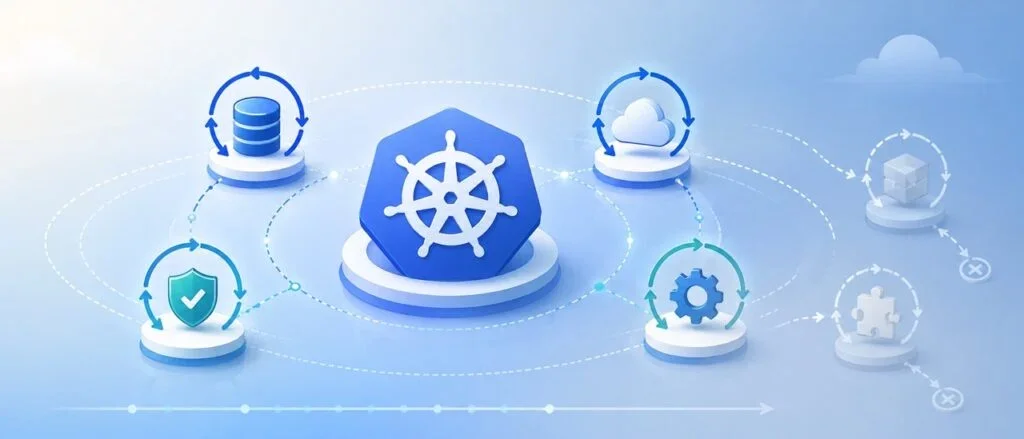
K8sGPT enhances Kubernetes troubleshooting by providing meaningful insights while ensuring control and data governance through a structured approach.
Explore the concept of Sneaky Throws in Java, its implications for exception handling, and how Lombok's @SneakyThrows simplifies the process.
Explore key differences among various AI agent frameworks and tools to equip your team for optimal project execution.
Discover how implementing agentgateway enhances security for Goose AI interactions with MCP services, addressing key authentication challenges.
Excel has transformed its formula features, impacting how Java applications manage spreadsheet interactions.
KYAML introduces a stricter version of YAML for Kubernetes, reducing errors and enhancing the consistency of configuration files.
A new approach improves agent frameworks by optimizing tool selection, ensuring relevance without unnecessary clutter in tool schemas.
Understanding the complexities of implementing Select AI and vector search in older Oracle schemas can help DBAs and developers avoid pitfalls.