Apple Tests Flat and Curved Glass for Its 20th Anniversary iPhone
Apple is weighing how far to push the design of its 20th anniversary iPhone, reportedly testing four versions that pair two types of glass backs with a more immersive display. The work points to a high-stakes design choice: whether the visual payoff of curved glass can justify its practical and manufacturing tradeoffs. For a product that’s expected to mark a major design moment, the temptation will be to make the phone look unmistakably different. But a striking front view only matters if the device still feels comfortable, survives ordinary use, and can be built consistently.
Four prototypes, two glass designs
Leaker Ice Universe says Apple has four models in development: two with flat glass backs and two with quad-curved glass. The report doesn’t explain whether these prototypes represent different tiers or competing approaches for the same models. One possibility is that Apple is comparing two options for both the Pro and Pro Max, but that remains speculation. The count alone doesn’t establish that four finished products are planned; prototype work can test alternatives that never reach customers.
Apple has reportedly spent three years prototyping the quad-curved design. Early versions had a pronounced curve, which was later toned down; the curvature is still being refined. That long development cycle suggests the company is testing more than appearance, including how the shape affects handling, durability and production. A curve that looks elegant in a render can create a different experience in the palm, especially when a user grips the phone along its sides or sets it down on a hard surface.
Parallel prototypes are a normal part of Apple’s product development. The four designs may give the company room to compare the tradeoffs before choosing a final direction. That’s a useful distinction for readers: the report describes work in progress, not a settled design decision. Until Apple commits, the flat-backed versions remain evidence that the company is keeping a more familiar option on the table.
Curves could make the display feel larger
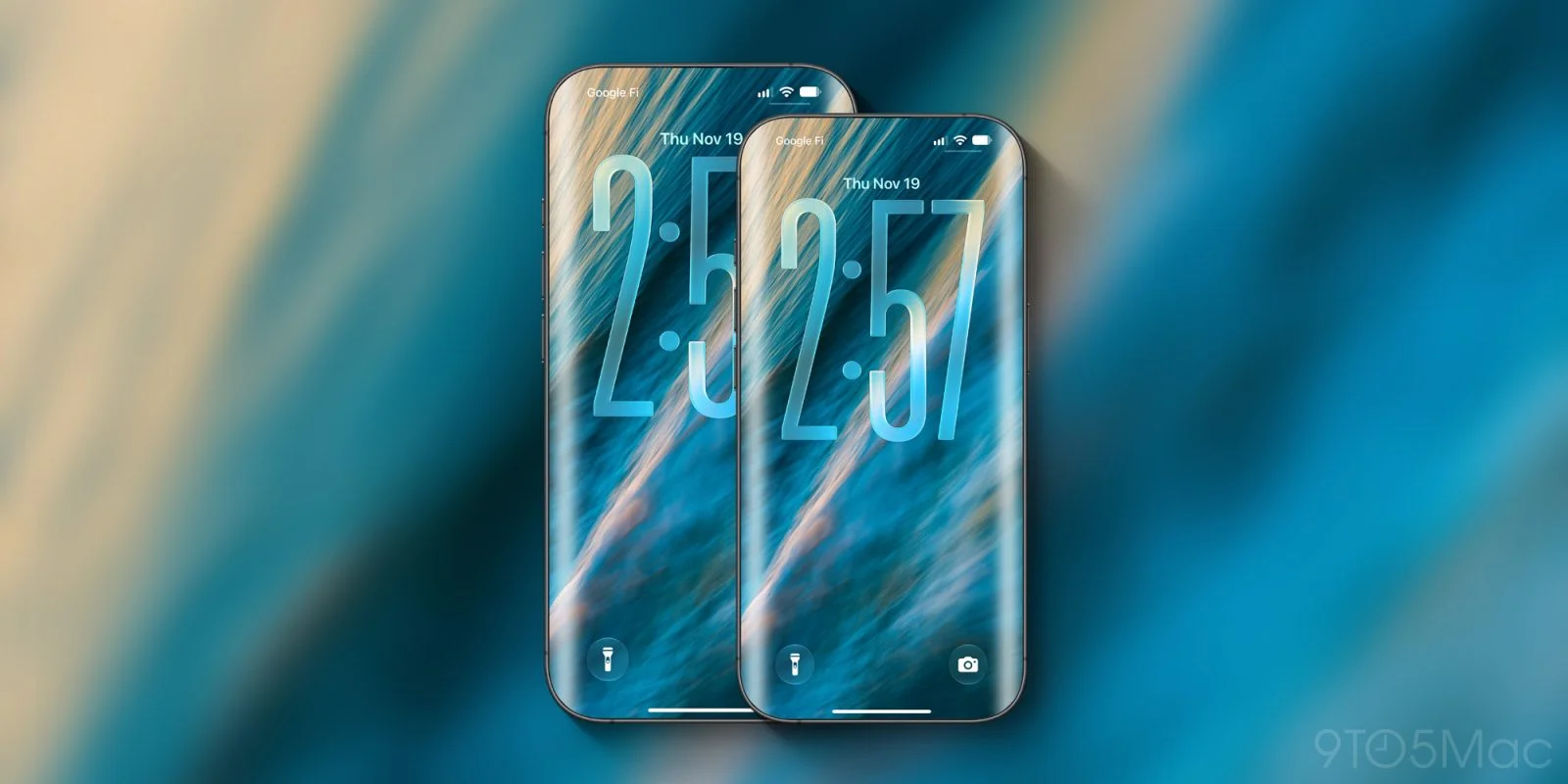
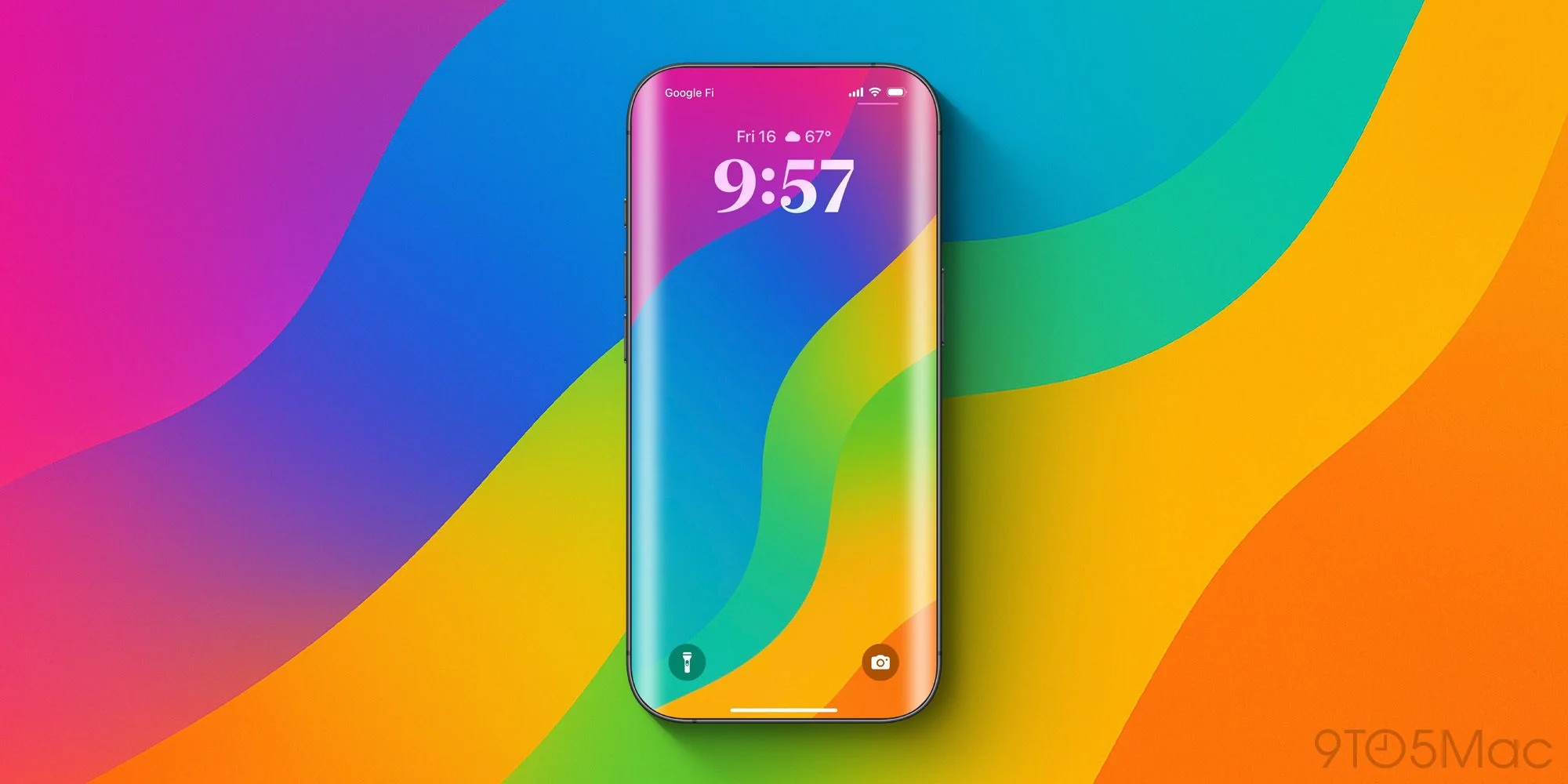
The quad-curved prototype reportedly has edges about 1mm wide. As the glass bends around all four sides, the front-facing border could nearly disappear when viewed head-on, creating the impression of a screen that runs to the edges. The intended effect resembles the visual trick used by Apple Watch, with curved glass and slim bezels working together. It’s an optical effect as much as a change in screen area: the phone may appear more expansive without the report establishing that the usable display itself grows.
The challenge is making that appearance work in everyday use. Curvature can change how a phone feels in the hand and how well its glass holds up, while tight tolerances may complicate manufacturing. Curved edges also raise practical questions about accidental touches, reflections and how a case would fit, though the report doesn’t say how Apple is addressing them. Those details matter because a phone is handled far more often than it’s admired from straight on.
Apple’s choice to keep flat-backed prototypes in the mix suggests the company hasn’t settled on whether the borderless look is worth those compromises. Here’s the thing: the narrow border is easy to present as a visual win, but the value of that win depends on what users give up in comfort or reliability. If you’re working in this space, the design question is less whether curved glass can look premium and more whether it can do so without making routine interactions feel less predictable.
A major redesign remains the goal
The anniversary model is expected to bring an all-glass look and what could be the biggest redesign to the standard iPhone since the iPhone X. A render generated with AI has offered one possible visualization, but the current prototype reports leave the final design open. A generated image can make a concept easier to picture; it can’t confirm the proportions, materials or features Apple will ship. That gap between a compelling mockup and a production device is exactly where cautious reading matters.
For now, the clearest signal is that Apple is still refining the shape, especially the curve’s depth. The final phone’s defining feature may be less about eliminating the bezel entirely than finding a glass profile that delivers a near-borderless view without making the device harder to use or build. Three years of reported work is a substantial commitment, but it doesn’t guarantee the most dramatic version will win. The numbers here are underwhelming as a measure of certainty: four prototypes tell us there are options, not which one has the lead.
What the design choice could signal
This is more significant than it looks. A 20th anniversary model gives Apple a reason to revisit the visual language of the iPhone, yet a redesign has to survive daily use after the first impression fades. If the company chooses quad-curved glass, it will be betting that a more continuous front can feel meaningfully different while remaining practical. If it keeps the flat design, that could reflect a preference for a familiar shape whose tradeoffs are already easier to understand.
And this is the part most people overlook: the decision may be visible on the front but shaped by the back end of production. Making glass curve consistently across four edges can demand tighter control over the material and assembly process; similar designs typically leave less room for variation than simpler flat surfaces. That doesn’t mean the approach can’t work. It does mean the design’s success depends on more than the render.
That said, no reported prototype settles the question of what customers will see. The most defensible reading is that Apple is exploring how far an anniversary redesign can go while it continues to refine the curve. A near-borderless look, if it makes the final device. The choice will show whether Apple sees the display’s visual edge as worth the practical demands that come with it.