Apple Names 45 Finalists for the 2026 App Store Awards
Apple’s 2026 App Store Awards shortlist puts everyday utility and cultural storytelling alongside experimental games. The company’s editorial team has named 45 finalists across iOS, iPadOS, macOS, tvOS, visionOS and watchOS; winners are expected to be announced in the coming weeks. The range matters because it frames the awards as a judgment on software’s role across Apple’s devices, from practical tools to entertainment and shared experiences. A shortlist can show what the company wants to recognize, though it can’t tell us how its judges weighed each entry or why one finalist stands above another.
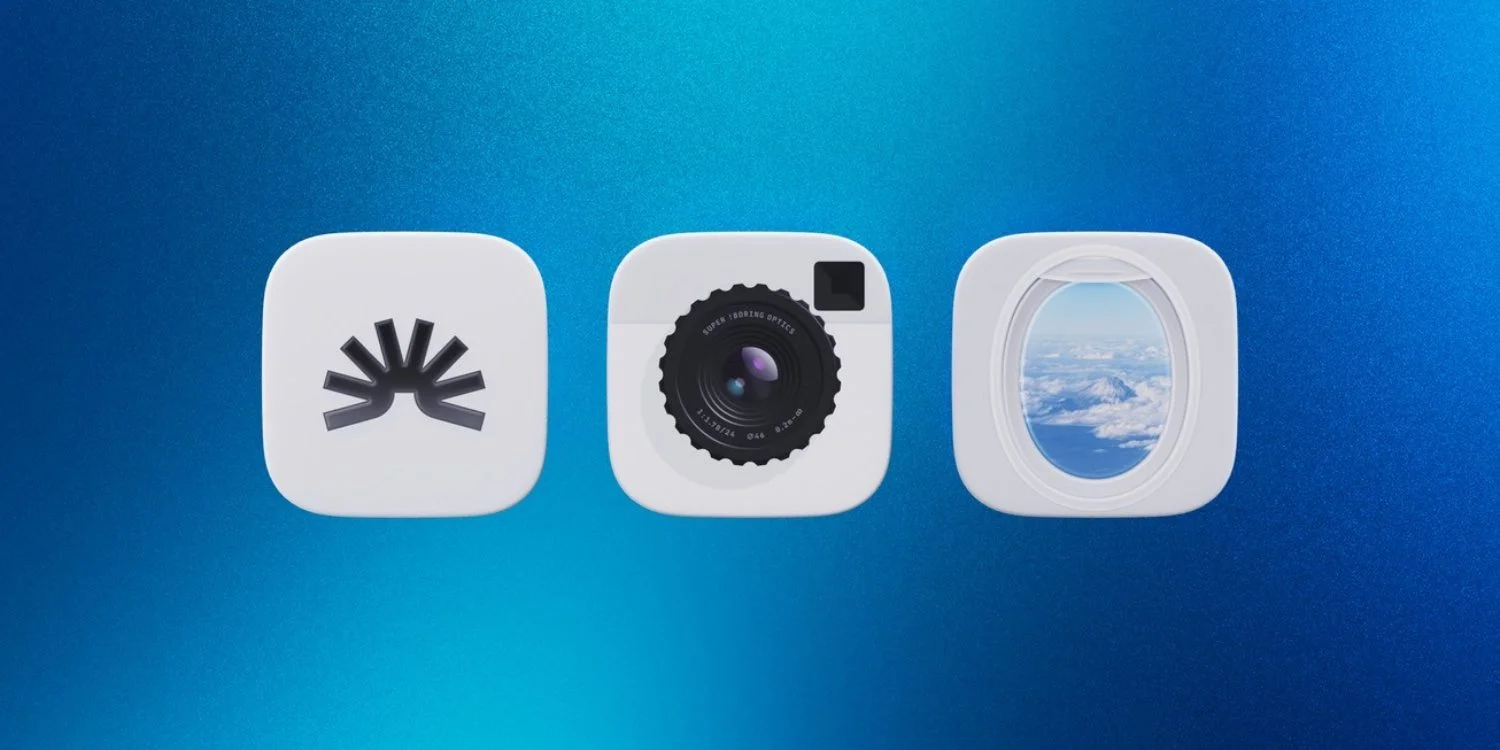
iPhone finalists mix utility with play
The iPhone App and Game of the Year group reflects a broad view of what mobile software can do. ElevenReader turns text into speech with natural-sounding AI voices, while (Not Boring) Camera gives the iPhone an adjustable, vintage-camera feel. Raylie offers personalized guidance for air travel. These apps address different moments in daily life: listening, taking photographs and navigating a trip. Their presence together suggests the category isn’t limited to one definition of utility; it can include tools that make a familiar activity more accessible, more expressive or easier to manage.
There’s a useful distinction here. Practical apps often compete on whether they fit into routines without adding friction, while creative tools ask users to change how they approach a task they already know. The shortlist doesn’t establish which product performs best on those terms, but it does put both kinds of ambition in the same conversation. This is more significant than it looks: the awards treat the phone as a general purpose platform, not just a place to run work tools or pass time.
Games make up the other half of the category. BALL x PIT takes a fresh approach to brick-breaking, DAVE THE DIVER centers on deep-sea exploration, and Gambonanza reworks the conventions of chess. Each starts from a recognizable premise, then gives players a reason to look again. That design pattern can make a game approachable without making it predictable. Whether the execution earns the recognition is a separate question, and one the shortlist alone can’t answer.
Culture and social impact take a wider view
Apple’s Cultural Impact finalists range from learning and accessibility to community building and personal storytelling. Brilliant teaches math and science foundations, while Unedo makes Spanish learning a playful cultural experience. Hearing Buddy helps deaf and hard-of-hearing users follow conversations through speech-to-text. These examples point to different measures of impact: building knowledge, connecting language with culture and helping people take part in spoken exchanges. The category’s breadth is a strength, but it also makes the label hard to pin down. A learning app and an accessibility tool may have little in common beyond a stated benefit beyond entertainment.
That range puts a burden on the award itself. If “impact” can mean a direct assistive function, a new way to learn or a story that broadens understanding, the recognition needs to rest on more than a good intention. The shortlist doesn’t provide the judges’ reasoning, so readers can’t assess the criteria from these selections alone. Still, grouping these apps together makes a point: software’s value can be judged by how it changes a user’s ability to communicate, learn or participate.
Several selections focus on shared responsibility and local ties. chilli supports political action for the planet, Karrot connects neighbors through local exchange, and Spilled! turns waterway cleanup into a game. setlog aims for a more authentic social-media experience. These projects approach community from different directions: civic participation, nearby exchange, environmental care and social connection. The common thread is an attempt to make a digital product point outward, toward people and places beyond the screen.
Here’s the thing: an app can encourage a behavior, but its presence on a shortlist doesn’t show whether that behavior lasts or reaches many people. That’s a limit of award coverage, not a reason to dismiss the projects. If you’re working in this space, the more useful question is how the product’s design supports its stated purpose after the initial appeal wears off. The shortlist gives readers a set of examples to examine; it doesn’t supply that evidence on its own.
The remaining finalists use games and stories to address identity, health and belonging. and Roger tells a challenging personal story, and Consume Me explores eating disorders. PancitoMerge celebrates Mexican food culture; Sago Mini Jinja’s Garden gives families a shared play space; and Tiny Bookshop builds an inclusive community around books. Together, these titles show how the shortlist spans personal subjects and shared settings, with games and stories serving as the format rather than the whole point.
What the shortlist says about Apple’s priorities
The shortlist suggests Apple is judging mobile software by more than polish or technical ambition: usefulness, play and cultural resonance all have a place. The winners will show which of those qualities the editorial team chose to recognize this year. That choice may draw attention to products with different audiences and aims, but it won’t settle the broader question of what makes an app socially valuable or well designed. The finalists are a snapshot of the company’s editorial judgment, not a complete account of the software people rely on.
That said, the mix is revealing. Everyday tools sit beside games that reshape familiar formats; accessibility and education share space with stories about identity, health and community. It’s a wide brief for an awards program, and one that invites scrutiny as well as interest. The key test will be whether the winning selections make Apple’s criteria clearer, or leave the shortlist’s broad idea of impact just as open to interpretation.
For readers, the practical value is less about predicting the winners than noticing the range of work Apple chose to surface. Some finalists aim to solve a concrete task. Others ask players or users to see a familiar subject differently. And some try to connect digital activity with a community beyond the app itself. A broad range, with no single formula.