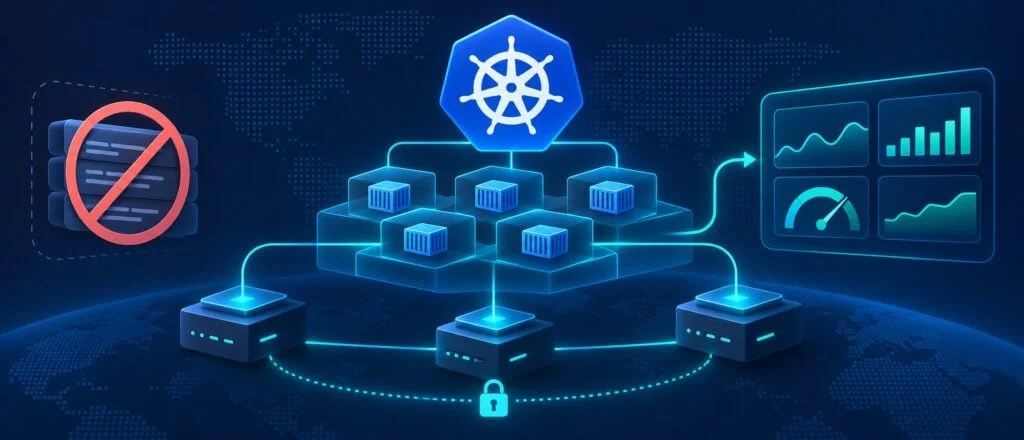
Kubernetes Recovery Depends on an Independent Path to Infrastructure
Kubernetes can keep workloads running through failures, but teams also need a separate way to reach and restore the infrastructure behind them.
Artificial intelligence and machine learning news
Found 540 articles
Kubernetes can keep workloads running through failures, but teams also need a separate way to reach and restore the infrastructure behind them.
VGW reported $66 million in Arkansas sales over a year as the state challenged its sweepstakes model and Kalshi’s sports event contracts.
Effective Kubernetes response automation checks workload ownership, GitOps state and blast radius before changing production systems.
Voters in Allen, DeKalb and Steuben counties rejected casino proposals, leaving Indiana’s new license without an eligible host.
A 15-plus-service K3s platform uses Prometheus metrics and temporary diagnostics to monitor production without a centralized log archive.
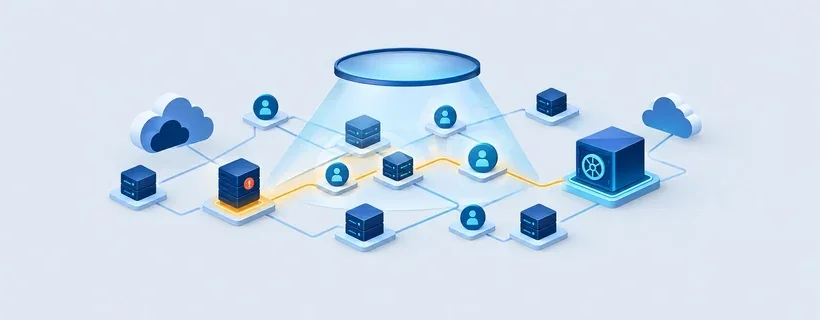
Exposure data links cloud alerts to identities, permissions and attack paths, helping teams judge potential impact and focus response.
Kinference coordinates vLLM workloads across Kubernetes, tracks GPU use and can route requests to cloud when local capacity runs short.
GKE automates much of Kubernetes infrastructure, but low utilization persists. Rightsizing workloads, refining capacity and using Spot can help.
EKS fleets average just 8% CPU and 5% GPU utilization. Rightsizing, workload sharing and smarter Spot use can reduce waste while supporting reliability.
Illinois is asking the Seventh Circuit to restore its authority over sports event contracts on CFTC-regulated exchanges, including state licensing and per-wager taxes.
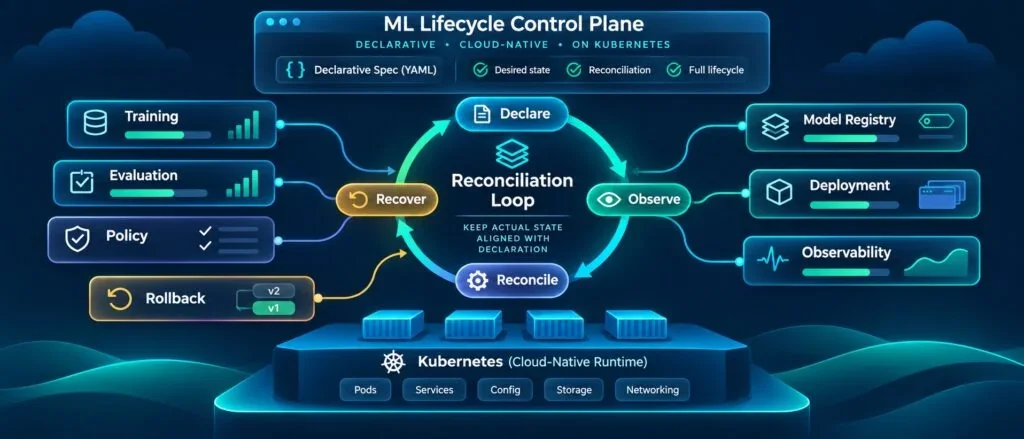
Kubernetes can schedule ML workloads, but declarative lifecycle management makes training, evaluation and deployment observable and recoverable.
CIQ’s open-source Stratum SKE packages Kubernetes components, upgrades and agent controls in one signed binary for Linux, GPU and AI environments.
Saquon Barkley sold his Polymarket stake under NFL gambling rules, highlighting the league’s split with the NBA and MLB over prediction markets.
BetMGM’s profit and payments to MGM rose, while lower room rates cut Strip earnings and US iGaming growth slowed to 12%.
Oklahoma’s November 1 ban reaches operators and their suppliers, while players face uncertainty over balances and pending redemptions.
Salt Security’s 2026 report highlights a gap in agentic AI security: valid credentials and permissions can still lead to actions an organization didn’t intend.
Databricks and Snowflake can access each other’s tables through shared ADLS storage and catalog metadata, avoiding duplicate data copies.
Rush Street Interactive’s Q3 revenue climbed 39%, but October trends point to the low end of its 2026 outlook as North American growth cools.
AI may ease software creation, but development still depends on available time, skilled people and the infrastructure to build and deliver applications.
A Kafka recovery utility grew to support scheduled incremental ingestion, historical data replay, and throughput control for streaming pipelines.