Rethinking Trust in Security Metrics: Beyond Verification
Organizations face a trust accounting crisis, as the traditional focus on identity verification often neglects ongoing scrutiny in security.
Cybersecurity threats, protection strategies, and best practices
Found 168 articles
Organizations face a trust accounting crisis, as the traditional focus on identity verification often neglects ongoing scrutiny in security.
Traditional accuracy metrics fall short for agentic AI; new frameworks are needed to assess their complex decision-making processes.
Transforming RAG workflows is now achievable in just hours with Azure AI Foundry, significantly reducing the setup complexity of LLM grounding.
Agentic test creation redefines quality assurance, distinguishing itself from standard AI test generation by enhancing test relevance and effectiveness.
A significant percentage of organizations are unaware of unauthorized AI agents in their systems, raising pressing security concerns.
Exploring advanced strategies for AI security, this piece critiques traditional defenses against prompt injection attacks and suggests proactive measures.
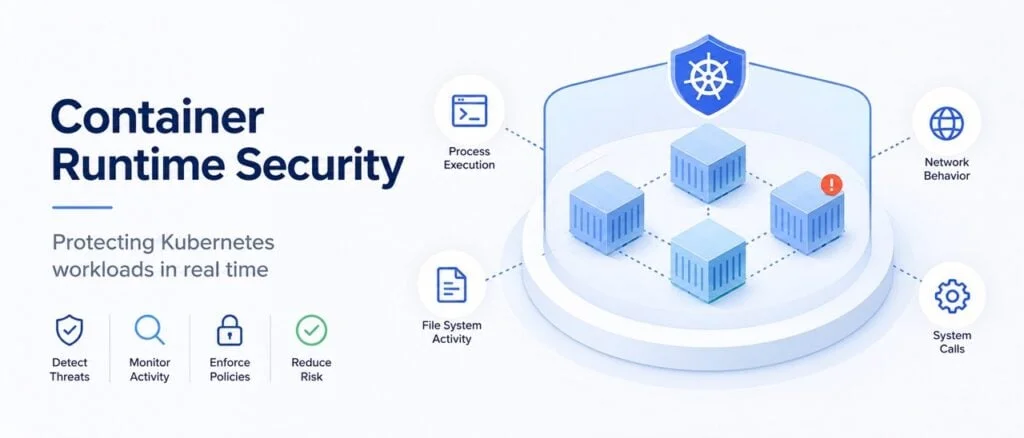
Kubernetes teams must shift focus to container runtime security, addressing critical vulnerabilities that arise once workloads are in production.
Enhance your Spring Boot APIs with essential security practices, including JWT authentication, input validation, and proper rate limiting.
Microsoft Foundry IQ redefines semantic search by incorporating nuanced reasoning, enabling complex queries for improved data retrieval and analysis.
Kata Containers 4.0 introduces a Rust-based runtime, optimizing memory safety and efficiency for AI agent sandboxing in Kubernetes environments.
Filmmakers once depicted AI's chaos on screen, but today, we're facing rapid advancements in agentic AI and the potential arrival of AGI by the 2030s.
Docker images pose significant security risks due to vulnerabilities in layers and malicious code. Organizations must prioritize strict validation and active monitoring.
The July 28 Model Context Protocol ushers in a stateless, flexible AI framework, but with new security challenges that demand attention.
A recent demo showcases AI's potential for rapid code deployment, yet a seasoned developer remains skeptical about its practicality and impact.
Discover how a tag-driven approach to attribute-based access control optimizes row-level security management in Databricks Unity Catalog.
Adopting RBAC and PIM for Azure enhances security, but overlooking configurations can disrupt pipeline functionality in cloud environments.
Exploring the distinct security concerns of agent platforms reveals critical differences between the tool and sandbox layers.
Explore practical techniques for seeding PostgreSQL databases with foreign-key cycles, ensuring smooth data insertion and integrity.
AI agents challenge traditional microservice assumptions, necessitating a shift in understanding and architecture to handle non-deterministic interactions.
A new DevOps agent aims to automate incident remediation by using internal wiki runbooks, reducing reliance on engineers at critical hours.