Evolving API Security: Addressing the Challenges Posed by AI Agents
API security must adapt as AI agents operate autonomously, raising new vulnerabilities with their ability to chain calls unpredictably.
Cybersecurity threats, protection strategies, and best practices
Found 136 articles
API security must adapt as AI agents operate autonomously, raising new vulnerabilities with their ability to chain calls unpredictably.
Traditional JMeter tests often miss critical factors, compromising their ability to accurately reflect production loads and user behavior.
Improve Spark performance on Databricks by focusing on shuffle tuning, skew mitigation, and Z-Ordering for efficient data management.
A critical look at how autonomous systems can be exploited through misinterpreted instructions, emphasizing the need for tighter security measures.
The New York Mets and Novig have entered a historic partnership to fuse baseball with prediction markets, enriching fan interaction and experience.
Organizations face a trust accounting crisis, as the traditional focus on identity verification often neglects ongoing scrutiny in security.
Traditional accuracy metrics fall short for agentic AI; new frameworks are needed to assess their complex decision-making processes.
Transforming RAG workflows is now achievable in just hours with Azure AI Foundry, significantly reducing the setup complexity of LLM grounding.
Agentic test creation redefines quality assurance, distinguishing itself from standard AI test generation by enhancing test relevance and effectiveness.
A significant percentage of organizations are unaware of unauthorized AI agents in their systems, raising pressing security concerns.
Exploring advanced strategies for AI security, this piece critiques traditional defenses against prompt injection attacks and suggests proactive measures.
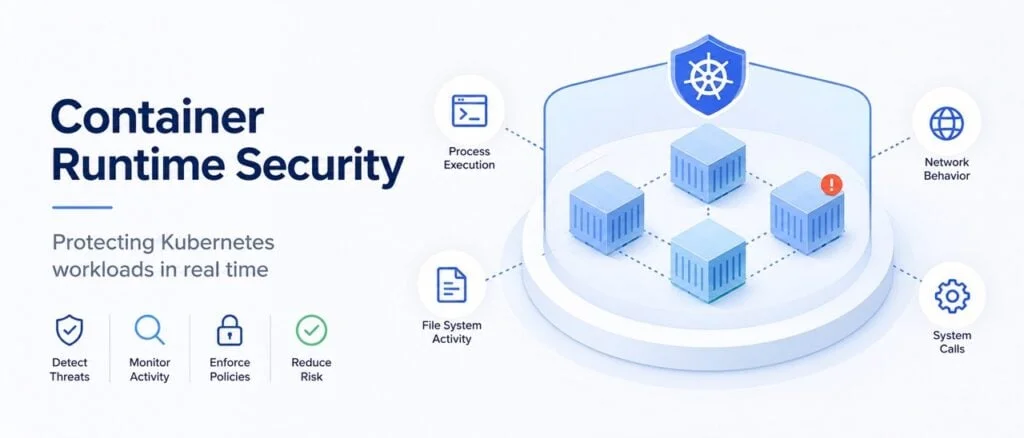
Kubernetes teams must shift focus to container runtime security, addressing critical vulnerabilities that arise once workloads are in production.
Enhance your Spring Boot APIs with essential security practices, including JWT authentication, input validation, and proper rate limiting.
Microsoft Foundry IQ redefines semantic search by incorporating nuanced reasoning, enabling complex queries for improved data retrieval and analysis.
Kata Containers 4.0 introduces a Rust-based runtime, optimizing memory safety and efficiency for AI agent sandboxing in Kubernetes environments.
Filmmakers once depicted AI's chaos on screen, but today, we're facing rapid advancements in agentic AI and the potential arrival of AGI by the 2030s.
Docker images pose significant security risks due to vulnerabilities in layers and malicious code. Organizations must prioritize strict validation and active monitoring.
The July 28 Model Context Protocol ushers in a stateless, flexible AI framework, but with new security challenges that demand attention.
A recent demo showcases AI's potential for rapid code deployment, yet a seasoned developer remains skeptical about its practicality and impact.
Discover how a tag-driven approach to attribute-based access control optimizes row-level security management in Databricks Unity Catalog.