Apple iPhone 18 Pro Paves the Way for a Notch-Free Future with Miniaturized Dynamic Island
Nearly a decade after the iPhone X debuted its distinctive notch, Apple is poised to advance its design philosophy with the upcoming iPhone 18 Pro. Rumor has it that this iteration will mark a notable shift as Apple works towards phasing out cutouts in favor of a cleaner display.
Shrinking the Dynamic Island: A Step Towards Edge-to-Edge Displays
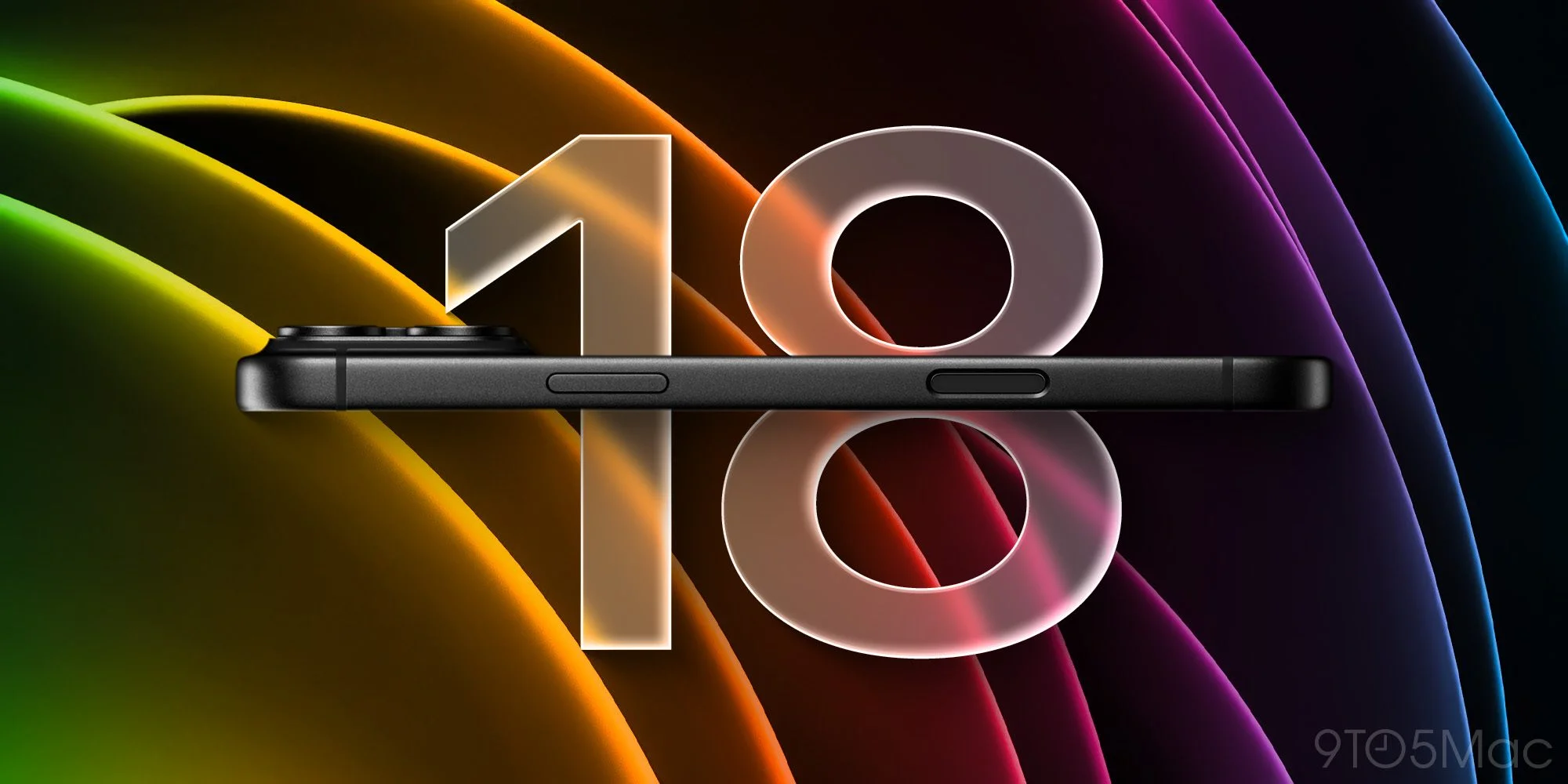
The transition from the traditional notch to Dynamic Island has been a significant design evolution for Apple. This feature, which first appeared in the iPhone 14 Pro, served not only as a new aesthetic element but also combined notifications and various system controls into a more interactive user interface. With the iPhone 18 Pro, Apple is expected to shrink the Dynamic Island by about 35%, making it less obtrusive. This reduction is essential for enhancing the user experience by maximizing display real estate without taking away from functionality.
As smartphones increasingly compete on the size and clarity of their displays, Apple's commitment to minimizing interruptions is becoming more apparent. For years, the industry standard was to accommodate cameras and sensors within notches, but consumer preferences are shifting toward uninterrupted screens. Apple's strategy seems to involve adapting the iPhone’s software features, like the Live Activities interface, to mitigate any visual impact from the Dynamic Island. Yet the intent behind this design adjustment is clear: users want a full-surface display that is both aesthetically pleasing and functionally superior.
This model represents a step in Apple's long-term strategy to eventually eliminate these display cutouts altogether. The design elements hinted at with the iPhone 18 Pro suggest that the dream of an edge-to-edge screen could soon be a reality. It’s a vision that aligns with similar design tweaks rumored for the MacBook Ultra, which is expected to also sport a narrower Dynamic Island. What this indicates is a broader trend within Apple’s product line: the harmonization of design language across devices.
Apple's design evolution reflects a meticulous response not just to technological advancements, but also to consumer expectations. The forthcoming iPhone 18 offers a glimpse into a future where users experience truly uninterrupted viewing. It may inspire debates on aesthetic versus functional priorities in mobile design. What will this mean for those invested in Apple's ecosystem? If you're working in this space, you might want to keep an eye on how these changes influence not only consumer preferences but also the competition's strategies in the mobile market.
Consumer Reaction to Design Changes: What to Expect
Apple's ambitious move towards removing display cutouts isn't merely a design choice; it's a reflection of user feedback. Many iPhone users have expressed a desire for larger screens that prioritize content over hardware. Over the years, the prevalence of large, immersive displays in competing devices has set the bar high. When Apple introduced the notch with the iPhone X, the aim was to maximize the display by minimizing bezels. However, as consumer tastes evolve, so do the expectations placed on newer models.
In the tech community, reactions are mixed. Some enthusiasts appreciate Apple's efforts to streamline the user interface, while others lament that such changes come too slowly. Are these reductions in Dynamic Island significant enough to sway users from perfectly functional previous models? Maybe not at first. Yet, as more people desire seamless integration of technology within their daily lives, this ongoing pursuit of minimalism might pave the way for a shift in how people engage with their devices.
As users become accustomed to the idea of an edge-to-edge iPhone, the industry watches closely. Those looking to upgrade may find themselves weighing the benefits of clearer designs against the functionality offered by current models, prompting a careful consideration of whether the latest technology truly warrants the expense. (And this is the part most people overlook.) Apple’s design evolution could shape buying habits across the market—for every new feature, older models become less appealing, driving upgrades even faster.
The Future of Mobile Design: Implications and Speculation
The conversation around mobile design is likely to intensify as Apple rolls out the iPhone 18 Pro. If users respond positively to the sleek new aesthetic, it could set a precedent for competitors. Android manufacturers, for instance, might hasten their own design revisions to capture the attention of consumers who prioritize visual impact. It’s a competitive field, and standing still is rarely an option.
As design continues to evolve, what does it mean for the future of mobile devices? There’s a possibility we'll see increasingly advanced user interfaces that blend hardware and software more tightly. The reduction of visual elements like the Dynamic Island could lead to a new generation of devices where essential features vanish into the background, enhancing usability while maintaining functionality.
Are we heading towards a display free of any interruption? The journey might be gradual, but the excitement is palpable. On the one hand, industry giants like Apple redefine how mobile technology aligns with consumer preferences. On the other, they must ensure that those innovations translate into real-world benefits. This is more significant than it looks. The blend of technology and aesthetics could redefine not just smartphones but potentially the entire concept of mobile computing.
Do you believe Apple should expedite its efforts to eliminate display cutouts? Share your thoughts in the comments section.