Apple's MacBook Ultra: Reimagining the MacBook Pro Lineup
Rumors suggest that Apple's upcoming redesign of its MacBook Pro may be named the 'MacBook Ultra,' spinning a potential shift in how Apple categorizes its laptops. This move could serve as a strategy to cater more effectively to professional users while also opening doors for new features.
MacBook Pro History: A Mixed Record
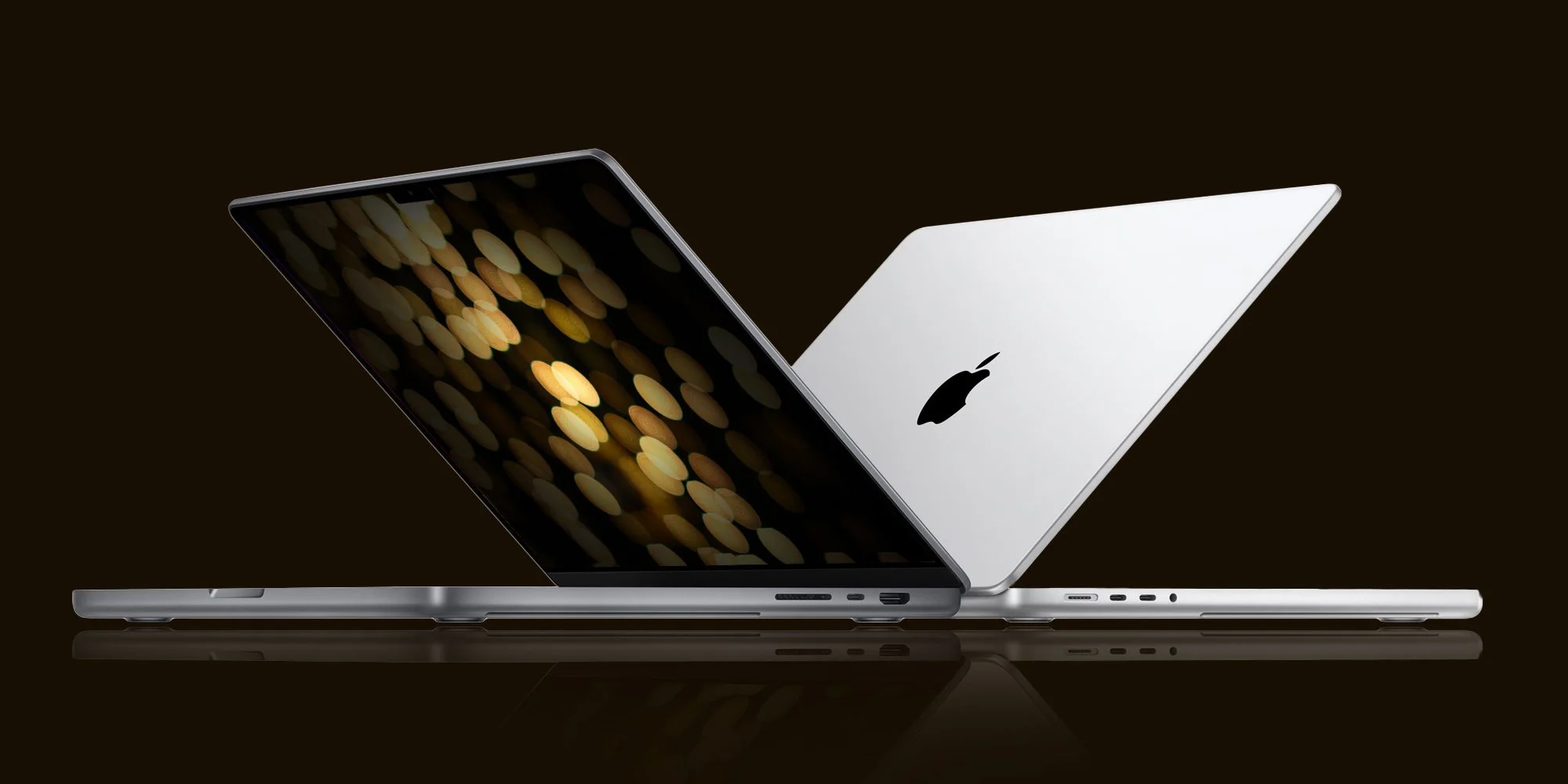
The current MacBook Pro design is often seen as a response to previous missteps. The shift that occurred in 2016 introduced a controversial model characterized by the unreliable butterfly keyboard and a transition to an all USB-C port setup, leaving out several connections that creatives value. This design overhaul frustrated many professional users who relied on legacy ports and functions that were stripped away in pursuit of a cleaner aesthetic.
Apple’s struggle to regain the trust of creative professionals culminated in the 2021 MacBook Pro, which marked a significant pivot back toward traditional functionality. It reintroduced essential ports like HDMI and an SD card reader, recognizing the diverse needs of its user base. This was a recognition of their miscalculation: prioritizing design over functionality ultimately hurt the company’s reputation in the professional space. The new model emphasized thicker designs to prioritize battery life and processing power, reflecting a recalibration aimed at retaining professional users who need reliability above all else.
Now, with speculation brewing around another redesign, Apple might be considering a branding distinction. The idea of labeling the next iteration as 'MacBook Ultra' while keeping the MacBook Pro intact could indicate a more strategic approach. Such a move indicates that Apple is looking to segment its market offering, creating clear lines between professional-grade tools and devices aimed at a broader audience.
MacBook Ultra: Tailoring to Consumer Needs
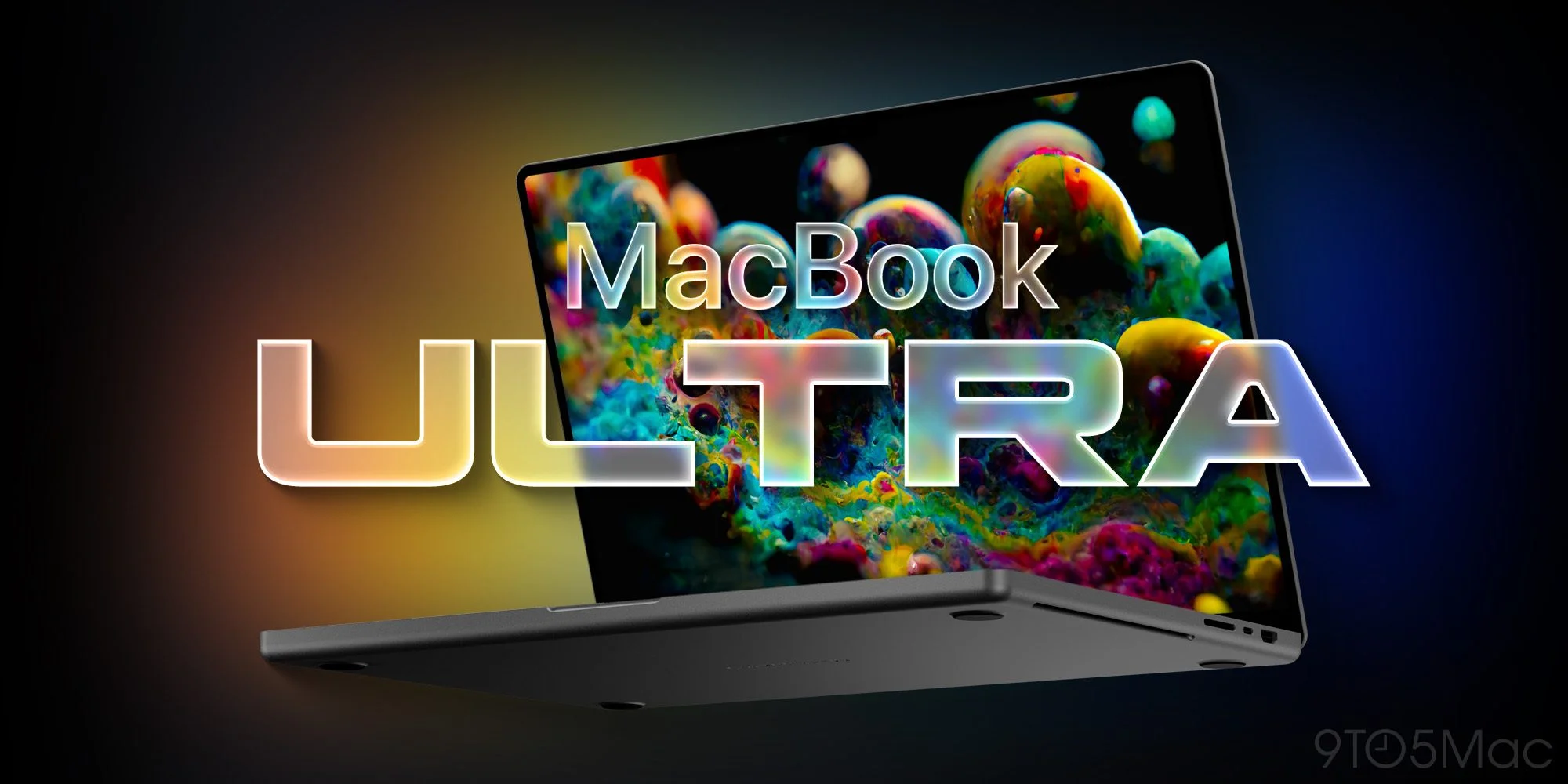
The anticipated MacBook Ultra might echo some of the traits Apple attempted in previous models, like being thinner and lighter. However, this represents a potential trade-off with performance and battery longevity. Users often prioritize functionality, especially when it comes to professional applications that demand high processing power and longevity, so if the Ultra sacrifices these elements for design, it could risk alienating its target audience.
Inside reports hint at features like a touch screen, raising eyebrows and creating potential parallels to past design decisions like the Touch Bar, which divided opinions among users. While some found it unnecessary, others appreciated its functionality. The challenge for Apple will be to define how the touch screen will enhance user experience without returning to a trait that many considered gimmicky rather than practical. That said, adopting the 'MacBook Ultra' label could be a clever strategy to remove the model from the daunting legacy of the Pro series while still catering to a demographic eager for newer tech.
With this distinct branding approach, Apple can maintain its existing MacBook Pro design, which has fundamentally shifted toward practicality. Meanwhile, the MacBook Ultra could explore a more experimental direction without running the risk of disappointing those who depend on the Pro models for their livelihoods. The delineation speaks volumes about Apple’s understanding of its market; two distinct products can coexist, targeting two separate, yet large, segments of users.
A New Direction: Balancing Innovation and Professional Needs
Personally, the idea of a MacBook Ultra intrigues me. It seems to consider a different audience—professionals seeking fresh technological advancements alongside users wanting lighter, more portable options. Proposals of features like OLED displays and possibly a cellular model suggest a fresh take on the traditional laptop. These moves could actually breathe new life into the often-stale laptop market, which has seen minimal innovations recently.
Even though performance, battery requirements, and port availability remain key aspects for many users, the MacBook Ultra’s flexibility might allow it to appeal to a broader audience wanting something different from the traditional MacBook Pro experience. This category of user is often overlooked; they want portability without significant trade-offs in performance.
Displacing the current MacBook Pro with a new design could have disappointed existing users. But with this strategic split between the two models, Apple seems poised to safeguard current users while also betting on novelty through the Ultra version. This approach could represent a smart long-term business strategy, allowing Apple to tap into the lucrative segments of both professional and casual users.
Significance and Future Outlook
The potential introduction of a MacBook Ultra carries implications that reach beyond just naming conventions; it could redefine consumer expectations. For years, users have grappled with the limitations of existing models, often feeling forced to compromise between power and portability. This anticipated shift suggests Apple is finally listening. The segmentation could usher in a wave of competition, prompting other manufacturers to rethink their offerings and align more closely with user needs.
If you’re working in this space, be prepared for a potential upheaval in how we perceive premium laptops. The clear bifurcation of product lines may ultimately help consumers make more informed choices, ensuring they select a device suited to their specific use cases. What this means for you, the consumer, is clarity; soon, you'll know exactly what you're getting with each MacBook variant, potentially eliminating buyer’s remorse.
So, what are your thoughts on the potential naming of the MacBook Ultra? Will it meet your expectations for a modern Mac? Share your views with us in the comments.