Transforming Software Development with Agentic SDLC
Agentic SDLC enhances software development by integrating AI agents throughout the process, allowing developers to focus on key decision-making.
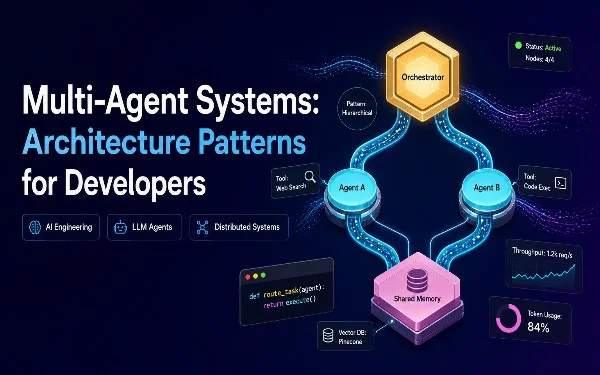
Integrating human oversight into production agentic systems is essential. Understanding where and how to implement this involvement drives effective design.
The WNBA removed a video of Paige Bueckers and Angel Reese discussing a $400 bet after backlash, citing its inconsistency with league betting policies.
Improve Spark performance on Databricks by focusing on shuffle tuning, skew mitigation, and Z-Ordering for efficient data management.
A critical look at how autonomous systems can be exploited through misinterpreted instructions, emphasizing the need for tighter security measures.
The New York Mets and Novig have entered a historic partnership to fuse baseball with prediction markets, enriching fan interaction and experience.
Spring AI 2.0 elevates language models by integrating Retrieval-Augmented Generation, allowing access to proprietary data and improving functionality.
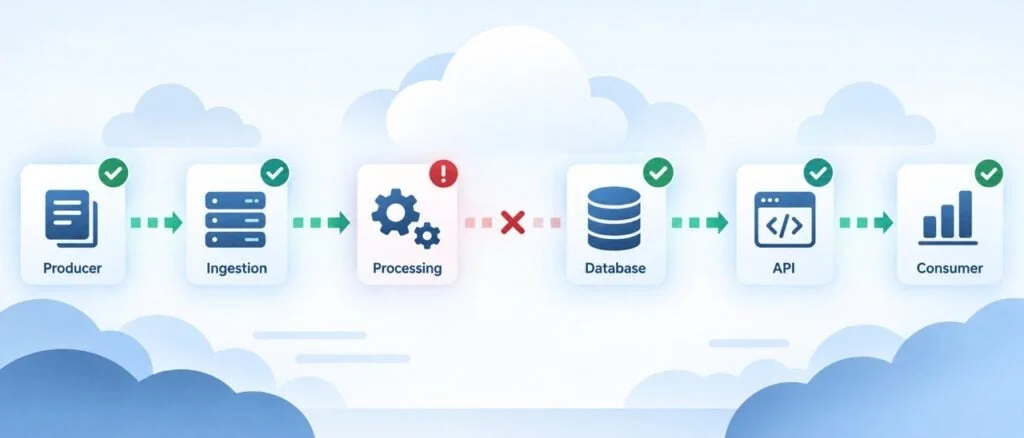
Kubernetes ensures infrastructure is operational but doesn't guarantee application functionality; successful deployments may mask critical issues.
Effective alerting is vital for maintaining stability in production environments, especially in today's AI-driven software landscape.
Organizations face a trust accounting crisis, as the traditional focus on identity verification often neglects ongoing scrutiny in security.
Traditional accuracy metrics fall short for agentic AI; new frameworks are needed to assess their complex decision-making processes.
Transforming RAG workflows is now achievable in just hours with Azure AI Foundry, significantly reducing the setup complexity of LLM grounding.
Mastering diverse communication protocols in enterprise systems is essential, as differing formats create significant integration challenges.
Agentic test creation redefines quality assurance, distinguishing itself from standard AI test generation by enhancing test relevance and effectiveness.
Containerizing AI models often uncovers unexpected hurdles; insights from real experiences reveal critical optimizations needed for success.