Scaling Temporal for Enhanced Production Reliability
Understanding Temporal's Worker and routing limitations is key to improving scalability and ensuring reliable performance in production environments.
Cloud platforms, services, and infrastructure
Found 61 articles
Understanding Temporal's Worker and routing limitations is key to improving scalability and ensuring reliable performance in production environments.
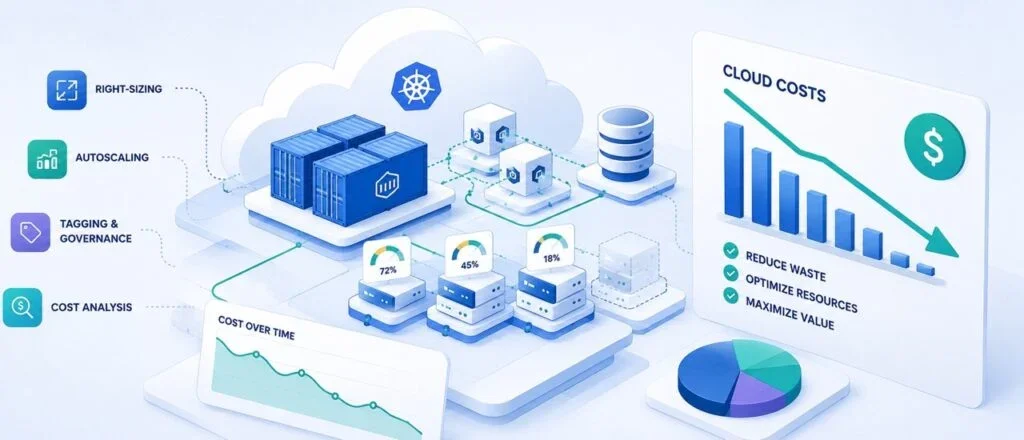
Explore effective strategies for minimizing cloud costs while maximizing the value of cloud-native technologies, ensuring financial efficiency in your organization.
Understand how to select the best cloud platform for AI projects by exploring key considerations beyond just benchmarks.
Kubeflow's recent graduation from the CNCF signifies its maturity and ability to support enterprise-scale AI workflows across diverse environments.
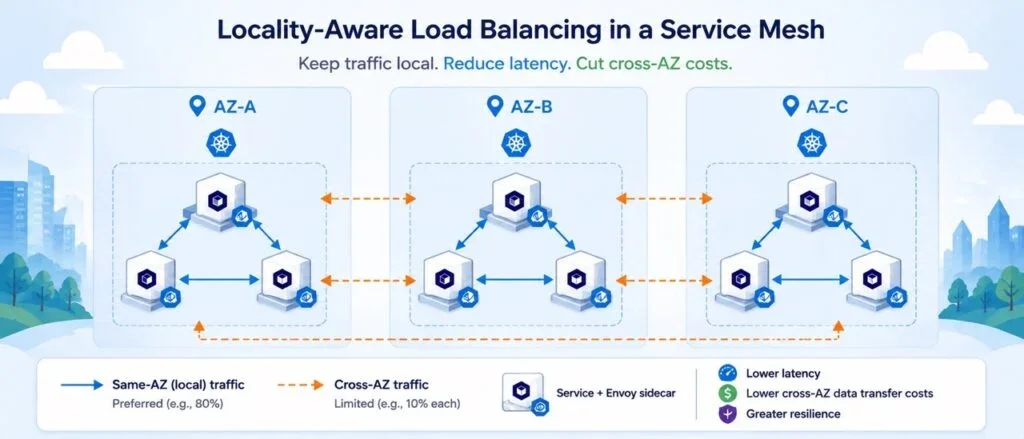
Examining common pitfalls in load balancing within multi-AZ Kubernetes setups, highlighting latency and cost impacts of inefficient traffic distribution.
Multi-cloud environments promise flexibility but introduce unique reliability challenges that can complicate operations beyond expectation.
Cloud-native architectures enhance speed but complicate testing, as independent deployments often lead to outdated mocks and unreliable integration tests.
Unlock the full potential of GPU resources in Kubernetes by transitioning from rigid pod assignments to more flexible, optimized configurations.
Adopting zero-trust principles during cloud migrations can prevent costly security rework and streamline the process for enterprises.
Branch networks demand new security strategies, moving beyond traditional models to embrace policy-driven approaches for enhanced protection.
Telemetry debt complicates observability for cloud-native teams, highlighting the need for actionable metrics rather than overwhelming data volume.
Organizations face a trust accounting crisis, as the traditional focus on identity verification often neglects ongoing scrutiny in security.
A significant percentage of organizations are unaware of unauthorized AI agents in their systems, raising pressing security concerns.
NVIDIA emphasizes the importance of robust AI infrastructure for open-source initiatives, pledging $4 million to enhance GPU resources for community projects.
As AI technology advances, it integrates with established cloud-native frameworks, leveraging their robust capabilities for successful deployment.
AI agent orchestration thrives on cloud-native principles, addressing operational challenges to enhance reliability, resilience, and scalability.
Adopting RBAC and PIM for Azure enhances security, but overlooking configurations can disrupt pipeline functionality in cloud environments.
Illinois is fighting to maintain control over sports and election prediction markets, asserting they're regular bets, not federal financial instruments.
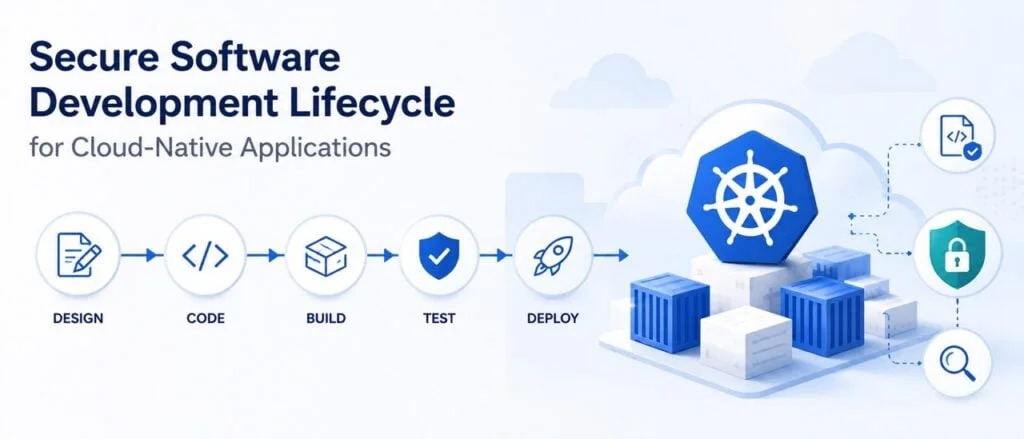
Cloud-native architectures demand integrated security throughout the software development lifecycle to manage complexities and risks effectively.
AI-driven coding is reshaping cloud-native development, necessitating advanced test automation tools to cope with increased complexity and rapid integration.