Agentic AI Security: Why Valid API Access Can Still Enable Unwanted Actions
Salt Security’s 2026 report highlights a gap in agentic AI security: valid credentials and permissions can still lead to actions an organization didn’t intend.
Cybersecurity threats, protection strategies, and best practices
Found 158 articles
Salt Security’s 2026 report highlights a gap in agentic AI security: valid credentials and permissions can still lead to actions an organization didn’t intend.
A small Java project can move to Kotlin in days; a monolith with hundreds of thousands of lines can turn that choice into quarters of work.
RAG makes internal knowledge searchable, but ingesting sensitive data creates a new exposure point. Screen documents before embedding and storage.
A PWA that works over local Wi-Fi may fail offline on iPhone because the phone never registered its service worker.
URL-based document imports save upload steps, but accepting any valid link can expose internal services to SSRF attacks.
AI agents can query databases and trigger workflows under their own credentials. Their permissions need to match their ability to act.
Genkit flows make AI work typed and testable, but multi-step jobs still need retries, worker pools and recovery for completed tasks.
Distributed requests expose the limits of chart-based monitoring, pushing SRE teams to seek clearer explanations of system failures.
Delta Lake UniForm, Unity Catalog and private connectivity can connect Snowflake to Databricks-owned data without nightly exports.
Architecture Review Boards are adding AI oversight for data governance, model lifecycle, explainability, security, and ongoing monitoring.
The companies will resell each other’s hardened software artifacts as teams face rising dependency risks and a persistent gap between security priorities and practice.
Regulatory data pipelines need to explain where each figure came from, who changed it and why—not just produce reports quickly.
Mamori points to a lighter way for Go services to pick up Kubernetes config changes without dropping active requests or rebuilding connection pools.
Cloud requests cross multiple TLS termination points. Teams need to track each adjacent link to verify post-quantum protection end to end.
A 900 GB Prometheus deployment faced query timeouts, rising cardinality and SaaS costs, with little room for monitoring overhead.
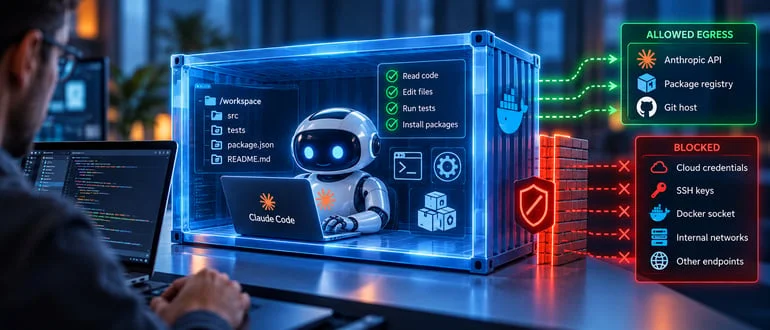
Discover how containerization can effectively manage risks associated with AI coding agents by limiting access and implementing precise security controls.
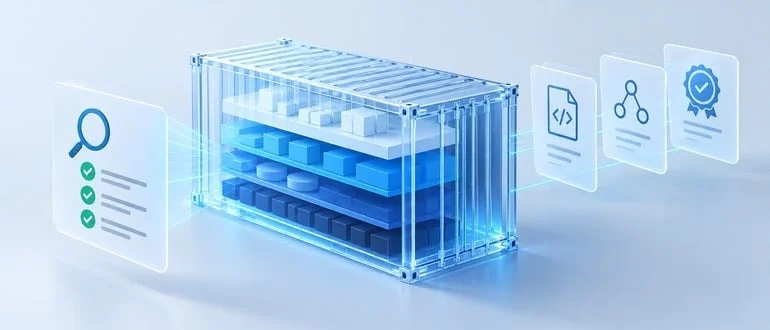
Relying solely on vulnerability scans is insufficient for container image trust; understanding provenance and build processes is equally critical.
Explore the complexities of Kafka's architecture and its efficient event streaming capabilities for handling real-time data.
Transitioning from legacy ETL practices reveals the pitfalls of maintained but unobserved data processes and emphasizes the need for a more transparent ELT approach.
Unpacking threat modeling for context-aware AI can reveal vulnerabilities in AI systems reliant on user input and internal data.