BetMGM Sends MGM $34 Million as Strip Earnings Fall and iGaming Growth Slows
BetMGM’s profit and payments to MGM rose, while lower room rates cut Strip earnings and US iGaming growth slowed to 12%.
Development operations, CI/CD, and automation
Found 331 articles
BetMGM’s profit and payments to MGM rose, while lower room rates cut Strip earnings and US iGaming growth slowed to 12%.
Databricks and Snowflake can access each other’s tables through shared ADLS storage and catalog metadata, avoiding duplicate data copies.
A Kafka recovery utility grew to support scheduled incremental ingestion, historical data replay, and throughput control for streaming pipelines.
Mirantis will assess and migrate VMware workloads to its MOSK platform, addressing a skills gap as organizations weigh alternatives to VMware.
A pre-edit hook protected one write tool, but the coding agent used another. The gap shows why permission checks must cover every edit path.
RAG makes internal knowledge searchable, but ingesting sensitive data creates a new exposure point. Screen documents before embedding and storage.
Copado pipelines can make Salesforce’s quick, no-code changes traceable through version control, conflict resolution and automated regression testing.
A passing test can hide a weakened check. Review both the code fix and test changes to see whether a coding agent actually resolved the bug.
YARN’s container sizing can leave Spark nodes with idle CPU even when allocated memory looks nearly full. Executor fit depends on overhead and allocation increments.
Go can collect Reddit listings through public JSON endpoints, but the roughly 1,000-item cap and frequent datacenter IP blocks constrain scraping.
Model, data, tool, and prompt changes can shift agent behavior. CI evals can catch those regressions before users do.
A Kafdrop hackathon feature adds message search to help engineers find where records disappear across pipeline stages.
Persistent agents need separate mechanisms for recent context and long-term memory; replaying chat history alone can’t sustain continuity across sessions.
Google’s open-source Error Prone plugin checks Java code during compilation, flagging likely mistakes that the language rules alone won’t catch.
Whole-GPU allocation and misleading node metrics hide inference waste. Queue depth and workload-aware sharing can make Kubernetes GPU use more efficient.
A PWA that works over local Wi-Fi may fail offline on iPhone because the phone never registered its service worker.
Lower token prices and stronger benchmark scores don’t capture the work of revalidating business workflows after an AI model change.
Genkit flows make AI work typed and testable, but multi-step jobs still need retries, worker pools and recovery for completed tasks.
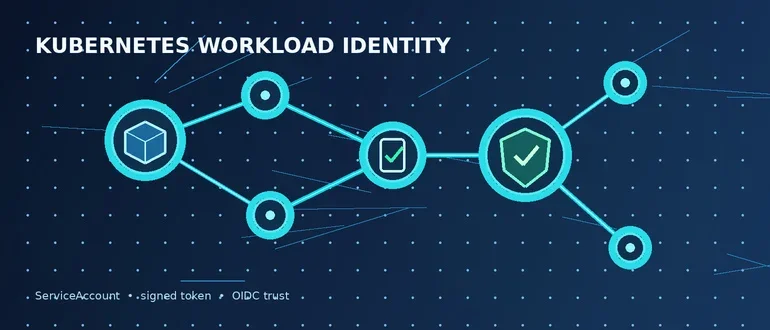
Kubernetes workload identity links ServiceAccounts to verifiable, short-lived tokens, enabling federated cloud access while clarifying authentication and authorization.
A Bronto review maps 64 AI SRE tools across seven categories, showing how products sharing one label tackle different operational problems.