Bridging the Gap: Ensuring Cloud Security Architecture Evolves with Deployment
Understanding Cloud Security Architecture
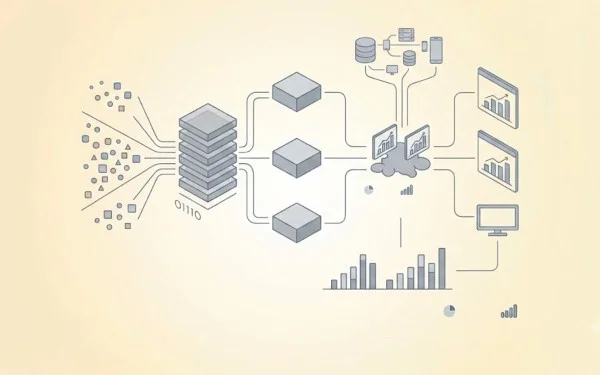
Cloud security architecture forms the backbone of any organization's cybersecurity strategy. At its inception, this architecture provides a structured approach to protecting digital assets within cloud environments. The framework includes defining account boundaries which serve as virtual perimeter defenses, and identity federation, which governs how user identities access different services across platforms. Centralized security services are also organized during this phase, acting as a cohesive stronghold that monitors and manages security policies across various cloud components.
The creation of diagrams to illustrate these elements cannot be overstated. These diagrams are not just visual aids; they serve as living documents that depict how essential functions—like telemetry, which captures and forwards security-related data; governance, which ensures compliance with regulations; and incident response, which outlines steps for addressing security events—work in tandem. Typically, these diagrams undergo scrutiny by experienced architects and are vetted by risk stakeholders, ensuring that the approach meets both operational and strategic needs.
The Challenge of an Evolving Environment
This solid framework, however, isn't static. Cloud environments are anything but predictable. Organizations are in a constant state of evolution, frequently creating new accounts, modernizing workloads, implementing emergency fixes, and experimenting with new services. These actions are often driven by necessity—be it rapid shifts in market demands or internal business objectives. Yet, as these changes occur, they can lead to significant deviations from the originally approved design.
This divergence typically happens organically. No single team is intentionally undermining security; rather, silos within organizations can lead to a lack of communication and oversight. Functional teams might deploy new services to address immediate outcomes without consulting the overarching security architecture. This disconnect poses a serious threat. When operational setups drift away from design intentions, the potential for vulnerabilities escalates.
The Importance of Holistic Security Strategies
To mitigate these risks, organizations must adopt a holistic security strategy that is not only reactive but also proactive. This strategy needs to continuously align operational setups with established architectural plans. A one-size-fits-all approach won't work; what’s needed is a tailored plan that accounts for the unique aspects of each organization's cloud environment.
Monitoring and reassessing policies regularly allows for timely adjustments. Moreover, integrating continuous compliance checks can help enforce security measures without stalling innovation. Organizations often resort to automating these processes, which contributes to both compliance and security posture without creating additional overhead for teams. That's smart strategy.
Comparative Frameworks in Cloud Security
When analyzing cloud security frameworks, it can be enlightening to compare them to traditional on-premises approaches. In many ways, the shift to cloud-based security requires a rethink of methods that have predominantly been reactive—patching systems post-breach or conducting infrequent audits. In contrast, the agile nature of cloud environments demands continuous monitoring and a shift to a more adaptive stance in security management.
For example, companies often employ security information and event management (SIEM) tools that integrate with cloud services to provide real-time analytics. This proactive analysis is akin to having a financial advisor regularly assess your portfolio rather than waiting for your annual review. In a similar vein, organizations are now utilizing machine learning algorithms that analyze patterns of behavior within their cloud applications, making it easier to spot anomalies before they become serious threats.
The Role of Culture in Security Posture
Beyond technological frameworks, organizational culture plays a pivotal role in security posture. If you're working in this space, you’ll recognize that establishing a security-first culture is essential. This involves training employees at all levels to understand the importance of security in their daily operations. It's not just the IT team's responsibility; everyone in an organization has a role to play in safeguarding resources.
Regular training sessions can embed security practices into the company culture. This includes not just how to recognize phishing attempts but also how to report them swiftly. Creating a culture of transparency around security errors can also empower employees. Many security incidents arise from human error, and promoting a blame-free culture can encourage quicker reporting and correction of those mistakes. (and this is the part most people overlook)
Future Outlook: Adapting to Emerging Threats
The future of cloud security architecture is likely to be characterized by further integration of advanced technologies. With the advent of more sophisticated cyberattack vectors, organizations must remain vigilant. As new threats arise, they’ll need to adapt their security frameworks and practices accordingly. Expect to see increased adoption of artificial intelligence to predict and respond to threats in real time.
This integration of AI can enhance anomaly detection and streamline incident response, which is crucial as the speed of attacks increases. However, a reliance on automation doesn't exempt organizations from their responsibilities. There will always be a need for human oversight to interpret complex data and make informed decisions, especially when it comes to handling sensitive information.
There's a growing realization that security in the cloud isn't about implementing shiny new tools but rather ensuring these tools work in concert with the existing framework to create a cohesive security strategy. With cloud-based technologies continuing to advance, staying informed and agile will be paramount for organizations aiming to secure their digital assets effectively.