Meta Explores New Prediction Market Application, Arena, Amidst Investor Hesitation

Meta's shares recently hovered around $562.20, experiencing a decline of about 5.3% over the preceding week, as investors reacted to news of the company's potential foray into prediction markets. This report suggests that CEO Mark Zuckerberg is guiding a team to develop a standalone app, reportedly called Arena, which could compete with existing platforms like Polymarket and Kalshi.
importantly, the app is currently experimental and will not include using real money, though insiders have also not fully ruled out a future in which that could happen.
— rat king
unclear if it will be released.(@MikeIsaac) June 23, 2026
Currently, details surrounding Arena remain vague, as Meta has refrained from public commentary on the initiative. Sources indicate that the app is initially designed to operate without real-money betting, opting for a points-based system instead, although monetization options through future features have not been entirely dismissed.
Meta copied slot machines to addict kids to Instagram. Now Zuckerberg is turning his company into a prediction market. Meta’s business model is profiting from addiction—kids, gamblers, & more. Stop it through KOSA & my prediction markets bills. https://t.co/e9tG1X8Fho
— Richard Blumenthal (@SenBlumenthal) June 23, 2026
Exploring the Growing Prediction Market Trend
As prediction markets gain traction online, Meta's latest endeavor can be viewed through the lens of the company's history of adapting to emerging trends. Recently, user-driven speculative platforms have captured considerable consumer interest, significantly changing how individuals engage with information and forecasting events. Companies like Polymarket and Kalshi have positioned themselves as key players in this space, showing that the appetite for such markets is far from limited.
The pursuit of this venture may offer Meta opportunities beyond just user engagement. A shift toward a prediction market could provide new revenue streams outside its core ad business. Similar systems typically engage users through transaction fees or premium features, and Meta might seek to tap into this model. As the company grapples with stagnant growth on established platforms like Facebook and Instagram, diversifying its revenue could be essential for stabilizing its financial future.
However, potential regulatory hurdles loom large. Lawmakers are increasingly scrutinizing the ethical implications surrounding prediction markets. This attention isn't unwarranted—provisions related to transparency and market integrity have entered public discourse as concern over addictive behaviors linked to gambling emerges. Different sectors are experiencing closer oversight, and tech firms, especially Meta, are already under fire for their roles in gambling-related developments, as illustrated by various legal cases. The underlying question is whether Meta can navigate these waters without tainting its reputation further.
Historical attempts to launch similar services have met with varied outcomes. For instance, Meta’s prior prediction-oriented tool, Forecast, aimed to harness user input during the COVID-19 pandemic. However, this initiative was shut down in 2022 due to low engagement—beyond its innovative potential, it highlighted the limitations of Meta's predictive strategies. Will Arena suffer the same fate? It’s uncertain.
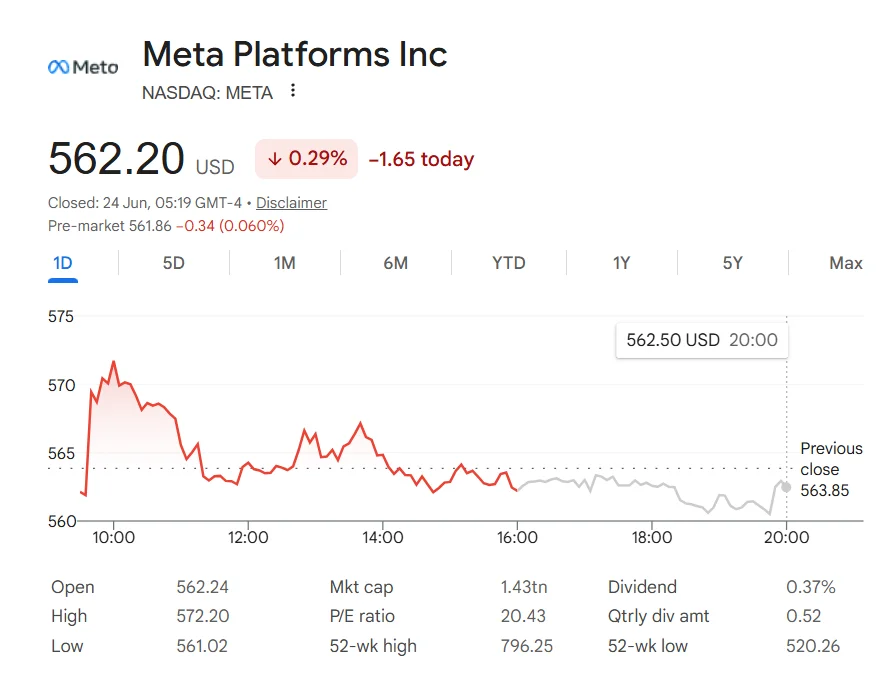
Investor focus remains primarily on Meta's advertising strategies, AI developments, and long-term growth potential. Given that Arena has not been fully fleshed out yet, this initiative appears to be more of an exploratory project than a serious component likely influencing the company’s valuation significantly. With a skeptical eye on growth metrics from established platforms, many are left wondering about the viability of such an ambitious yet untested strategy. If you're working in this space, you need to consider how Meta’s past failures could impact future initiatives like Arena.
Implications and Future Outlook
The implications of Meta's venture into prediction markets can extend far beyond the firm’s internal operations. Should Arena succeed in capturing user interest and navigating compliance challenges, it might incentivize a shift in how prediction markets are perceived by regulators. A positive reception could lead to a recalibration of market regulations, possibly fostering a more fertile environment for similar applications across the tech landscape.
However, a more significant risk lies in the actual execution and technical design of Arena. Launching a platform that digs deep into human speculative behavior requires nuance that many tech firms have overlooked. Betting and gambling mechanisms often invite scrutiny, so if Meta ventures into real-money territory in the future, the backlash could be severe. And yet, if they stay in a points-based framework, will users find the app compelling enough for sustained engagement? A key consideration here, of course, is user addiction—one that's already being critiqued heavily by lawmakers.
This is multifaceted—and this is the part most people overlook. Meta’s ability to leverage its existing user base while creating a product that stands out is essential. Competing platforms like Polymarket and Kalshi have already carved out a niche. Each aims to build a community centered on prediction. If Arena doesn't offer a unique value proposition, it could struggle to gain traction. Time will tell whether it serves as a remedial exercise in innovation for Meta or if it winds up another missed opportunity.
Featured image: Anurag R Dubey via WikiCommons / CC BY-SA 4.0
The post Meta’s ‘prediction market plans’ draw attention as shares slip appeared first on ReadWrite.