MCP's Transition to Stateless Architecture Enhances Scalability for AI Applications
Addressing Bottlenecks in Large Language Model Integration
The Model Context Protocol (MCP) has fundamentally changed how large language models interact with real-world data. However, the challenges faced by enterprise developers using earlier MCP versions can't be overlooked. The reliance on stateful, long-lived sessions often led to critical bottlenecks. These bottlenecks arose primarily from the management of many concurrent workflows, which were hampered by sticky sessions and the need for complex load balancing technologies. The memory overhead required to maintain these sessions compounded the problem, leading to performance issues that frustrated developers striving to integrate these models into their applications.
Think about it this way: when developers tried to manage multiple sessions, they had to simulate continuity in user interaction, which added layers of complexity to system design. Resources were strained as servers attempted to juggle simultaneous requests, and the intricate load balancing mechanisms needed to distribute these requests effectively added yet another challenge. This meant that the already high demand for computational resources in AI systems became a limiting factor for many potential applications. Consequently, enterprise developers often found themselves grappling with these limitations, which stifled innovation and efficiency in deploying language models.
Advancements in MCP Specifications
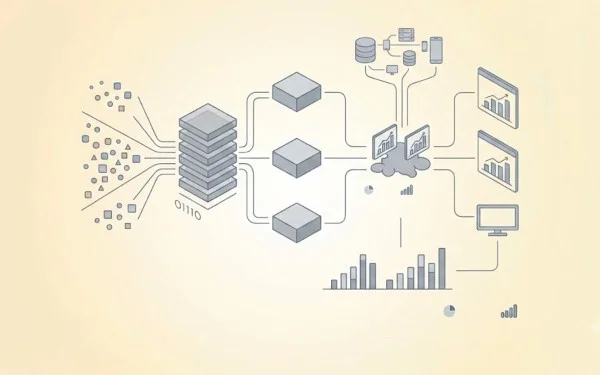
Recent updates to the MCP specification represent a watershed moment in addressing these long-standing issues. By establishing a stateless HTTP framework, the updates eliminate the need for traditional initialization handshakes and session IDs. Instead, MCP servers are now functioning as lightweight, independent microservices. This redesign is not just a technical workaround; it streamlines resource management significantly. These independent microservices interact without the baggage of maintaining session states, leading to more efficient processing.
This shift towards stateless communication is a key development that has profound implications. Microservices architecture is increasingly preferred in modern software development due to its scalability and resilience. In this context, the MCP's transformation might seem like a technical detail, but it's a crucial step towards enabling large language models to be integrated more seamlessly into various applications. As developers adopt these updated specifications, they can expect a more fluid interaction with AI tools, reducing the time and resources spent on administrative overhead.
To appreciate the significance of these changes, consider the broader industry trend toward microservices. Organizations are keen on adopting architectures that allow them to scale their applications quickly without being bogged down by older, monolithic systems. MCP’s advancement aligns with this movement, offering developers a more manageable and agile framework for innovation.
Implications of the New MCP Framework
This isn't just a minor update; it has substantial implications for developers and enterprises looking to harness the power of large language models. By simplifying the interaction process, companies can focus their efforts on optimizing the language models themselves rather than wrestling with the infrastructure issues that plagued earlier implementations. As a result, developers will have more time to innovate, designing solutions that can leverage AI more effectively in solving real-world problems.
Moreover, the enhanced scalability comes with an added bonus of lowering operation costs. When systems require less memory overhead and can handle more concurrent workflows without strain, organizations will find that their resource expenditure decreases while their capabilities expand. This means small startups and large enterprises can both take advantage of the same powerful AI technologies without tiered access dictated by infrastructure limitations.
If you're working in this space, the implications of the MCP's transformation cannot be overstated. The potential for enhanced productivity goes beyond simply integrating language models; it invites new use cases that previously seemed untenable. For instance, consider real-time customer service systems that integrate language models to respond instantly to user queries. Old limitations might have forced companies to consider fewer use cases; now they're empowered to build diverse applications that can operate concurrently, driving efficiency and customer satisfaction.
Looking Ahead: Future Outlook for MCP and Language Models
As the MCP framework continues to evolve, we can expect further enhancements geared toward improving the symbiosis between language models and applications. Not only is the transition to a stateless architecture a welcome change, but it also sets the stage for more comprehensive AI solutions. The idea of integrating multiple models into single applications could soon be manageable without the silos of data and resources that characterized previous approaches.
This is the part most people overlook: the potential for upcoming versions of MCP to introduce even more refined interactions. As businesses aim for personalization and context-aware applications, the ability of the MCP to adapt towards greater efficiency will likely be in demand. Enhanced models can interact with user data more dynamically and contextually if they are no longer tethered to stateful sessions.
Moving forward, the implications go beyond mere technical specifications. Organizations that adopt the MCP with its refined architecture will likely position themselves ahead of the competition in AI innovation. The coming years will likely see shifts in how AI models are utilized across industries, as simplified integration makes these powerful tools accessible. Embracing the potential MCP represents might just mean the difference between being a leader in AI and lagging behind in an increasingly tech-driven marketplace.