Evolving Developer Roles: The Shift Towards AI-Driven Architectural Skills
The Changing Face of Developer Hiring
In today's tech recruiting arena, the stakes are high. Developers aren't just expected to write clean code or debug existing software. Hiring managers increasingly seek candidates who possess a multifaceted skill set, reflective of the complex projects they’ll face in modern development environments. This shift in expectations isn’t a temporary trend; it’s a direct response to the fast-paced advancements in technology, specifically the rise of AI and devops practices.
This isn’t merely about experience or coding expertise anymore. It’s about how well a candidate can adapt to change, integrate new technologies, and push the envelope in collaborative environments. The interview scenario described isn’t just noteworthy; it underscores a broader change in hiring practices. There's an intricate dance between technical aptitude and strategic thinking that employers now expect. A candidate’s ability to articulate their vision and collaborate on solutions can often weigh more than technical proficiency itself.
AI Integration in Development
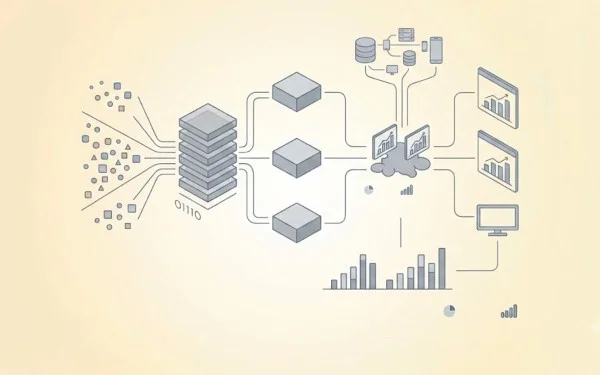
In a panel interview that sought to gauge both technical ability and innovative thinking, one question stood out: "Walk us through how you'd set up an AI-assisted code review pipeline for a team that ships twelve microservices." This is a loaded query that reflects a significant trend within development teams. AI integration isn’t just a buzzword; it's becoming a standard practice in software engineering. However, the response from the candidate was telling. While they outlined a manual process that demonstrated a solid understanding of the basics, it simply didn’t meet the heightened expectations of today.
Many companies are shifting towards automation and machine learning to streamline operations, particularly in code review processes. Traditional code reviews can be tedious and time-consuming, often requiring multiple rounds of revisions and communication between team members. AI tools can analyze code changes more quickly and efficiently, flagging potential issues before they escalate. The implication here is clear: understanding these AI-driven practices is becoming an essential skill. Candidates who cannot conceptualize or articulate the implementation of AI solutions might find themselves at a disadvantage, even if they excel in more conventional aspects of development.
What Sets Candidates Apart
Contrast the first candidate's response with that of another finalist, who went beyond the basic expectations by offering a sophisticated strategy that included an orchestration layer combined with context-aware models. This candidate’s grasp of AI's capabilities showed not only technical prowess but also a visionary approach to integrating tools that enhance workflow efficiency. They highlighted essential elements like configuring fallback thresholds and establishing observable feedback loops, aspects crucial for adaptive learning in AI systems. When you think about it, this is more than just technical knowledge; it demonstrates an understanding of how AI can evolve and improve with time.
The differences in responses highlight the new benchmarks for developers. Companies are no longer simply interested in programming languages or system architecture; they want talent that understands how to leverage AI frameworks to enhance product quality and development speeds. This evolution raises critical questions for both candidates and hiring managers. Are you preparing your team to recognize and nurture these skills? If you're working in this space, you’ll need to rethink how to evaluate potential hires effectively.
The Broader Implications
The shift toward AI integration is not merely a factor in the recruitment process; it impacts the entire industry. Companies that don’t evolve their hiring practices may find themselves struggling to keep pace with competitors that prioritize AI-enabled development. This signals a warning to many firms: failure to invest in the right talent could lead to stagnation.
Moreover, the types of candidates that succeed will likely continue to change. Developers will need to be multidisciplinary thinkers who can collaborate across various domains, including data science, machine learning, and even business strategy. The best candidates will now embody a blend of not just coding ability but also creative problem-solving and initiative-oriented thinking about AI. This evolution raises the bar for educational institutions as well. They’ll need to adjust curricula to prepare graduates for these new expectations.
On a practical note, companies must refine their interview processes to account for these evolving skill sets. For instance, instead of focusing solely on traditional coding tests, organizations might consider incorporating assessments that measure candidates' ability to innovate with AI tools. Skills that were once considered peripheral might become essential; those who can quickly adapt to AI paradigms will emerge as the leaders in their fields.
And this is the part most people overlook: as departments adapt and grow, they will inevitably face a talent shortage if they fail to invest in training existing employees. Hiring tech-savvy developers who can run AI-enhanced workflows is essential, but upskilling current staff will also be vital to maintain a competitive edge.
In short, the changing face of developer hiring isn't just about filling positions. It’s about strategic foresight in a rapidly shifting industry. Candidates capable of thinking outside traditional boundaries may not just survive but thrive—in a workforce that increasingly values flexibility, adaptability, and depth of understanding in a technological ecosystem that’s evolving fast.