Recent leaks from Tata Electronics, an Apple supplier, have revealed troubling details for Apple just weeks before the iPhone 18 Pro's anticipated launch. The loss of sensitive material, reportedly hundreds of gigabytes, has surfaced online. This is more significant than it looks, particularly for a company like Apple, which prides itself on maintaining tight control over product secrecy.
The leaks have raised serious questions about data security practices within Apple's supply chain. Manufacturers and suppliers are critical to Apple's operations, and any breach can compromise competitive advantages. Typically, one would expect a company involved in cutting-edge electronics production to have robust cybersecurity measures in place. The gravity of this leak suggests that there may be gaps in Tata Electronics' protocols—or worse, systemic issues within Apple's supplier network.
Details of the Breach
Among the leaked documents are drop test images of the iPhone 18 Pro, which Apple plans to unveil officially in early September. While the exact contents of the drop test images haven't circulated widely, their existence is alarming. They provide insights into Apple’s testing processes, revealing not just how the company evaluates the durability of its products but also the specific methodologies they employ to ensure they meet industry standards.
What’s particularly concerning here is the level of detail these drop tests can show. Consumer electronics undergo rigorous testing to endure drops from varying heights and environmental conditions. If competitors gain knowledge about these testing thresholds, they may find ways to exploit perceived weaknesses in Apple's designs.
A Closer Look at the Information Leaked
The breach also unpacks a treasure trove of information related to the iPhone 18 Pro. It lists components and their respective suppliers, detailing chipsets used in the logic board, camera systems, and battery specifications. This kind of information can provide competitors with valuable insights into Apple's supply chain and technology choices. What this means for you, if you're working in this space, is that proprietary knowledge may not be as secure as you think.
In a world where differentiation is often based on technological components and vendor relationships, insights into Apple's choice of suppliers and their component specifications could lead to a shift in competitive tactics across the industry. Companies may begin to adapt their own strategies based on what they learn about the iPhone's architecture, which could disrupt existing market patterns.
Design Continuity: What to Expect
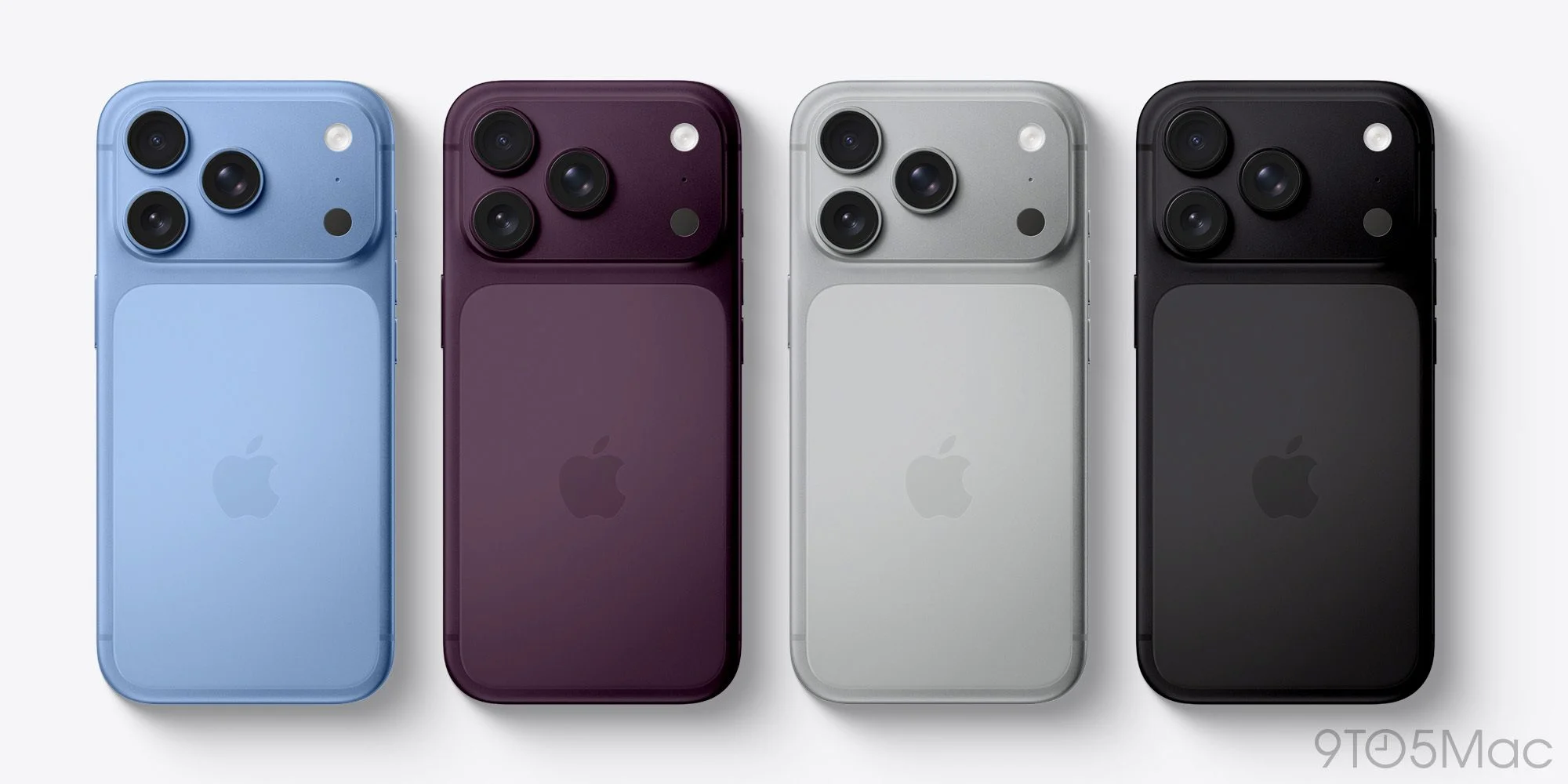
While leaks like these typically stir intrigue, you'll find that design-wise, the iPhone 18 Pro will bear a striking resemblance to its predecessor, the iPhone 17 Pro. Apple has often pursued an incremental approach to design improvements, which isn’t necessarily a negative strategy. Consumers might appreciate keeping some familiarity while integrating updated technology.
As depicted in our visual mockup, the upcoming colorways for the device will include cherry, blue, silver, and classic black. The choice of colors could reflect an intention to attract diverse consumer preferences. However, how much consumer excitement can be generated through color variations alone remains to be seen. Is Apple counting too heavily on its loyal customer base to carry its iPhone sales?
The Implications of Schematics Leakage
The recently released drop test images portray a standard slab-shaped device with a familiar three-camera arrangement and the iconic Apple logo, executed under controlled quality assurance conditions. This isn't merely a visual representation; it speaks volumes about the device's positioning in the current market.
In addition to the imagery, AppleInsider has highlighted that the data theft encompasses schematics for the new A20 system-on-chip and the C2 modem. This deeper dive into Apple’s technical developments raises concerns about vulnerability. With specific technologies like chip designs exposed, Apple could face challenges in maintaining its technological edge over competitors. Everyone is watching closely to see if any latecomers will try to replicate elements of Apple’s proprietary technology.
Future Outlook: Is Security Enough?
As Apple prepares for the latest iPhone launch, the significance of this breach cannot be understated. If there aren't shifts in security protocols following such incidents, Apple may find itself facing even more pronounced challenges in the future.
The implications stretch beyond immediate product concerns. Apple will have to reevaluate its relationships with suppliers and possibly impose stricter security measures. This could mean more costs, which may eventually be passed on to consumers. At the same time, the risk of being a target for similar breaches will likely loom larger in Apple's operational strategy going forward.
That said, as rivals continue to innovate and push boundaries, leaks like these not only hurt reputations but become fodder for fierce competitive battles. Consumers have increasingly short attention spans, and keeping a steady stream of excitement around Apple’s products demands more than just minor upgrades and aesthetic tweaks. The stakes have never been higher, and how Apple handles this situation will be a litmus test for its strategy in a fiercely competitive environment.