AI Context Windows, Model Memory and RAG: What Each One Actually Does
A million-token context window can hold extensive source material, but it doesn’t make model knowledge, temporary context and retrieval the same thing.
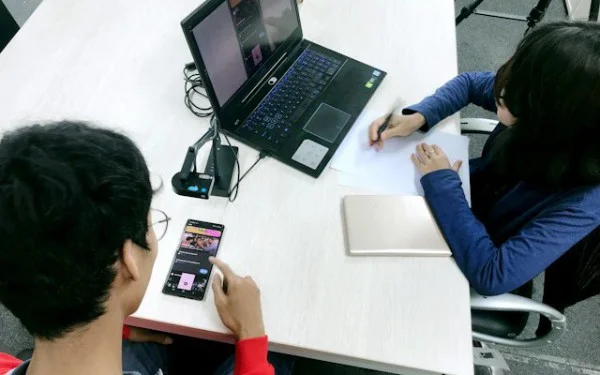
User interactions prior to mobile app crashes often remain untracked, leading to significant data loss. Addressing this is essential for better diagnostics.
Unpacking threat modeling for context-aware AI can reveal vulnerabilities in AI systems reliant on user input and internal data.
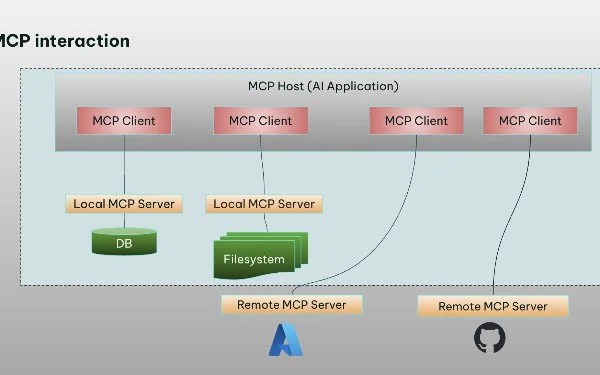
Explore how Azure's Model Context Protocol eliminates barriers for LLMs by enabling secure external data connections and enhancing real-time intelligence.
Traditional volatility bands using the square root of time underestimate risk. Here's how to create a valid interval instead.
AI is reshaping engineering metrics, shifting focus from coding speed to understanding code quality and review processes.
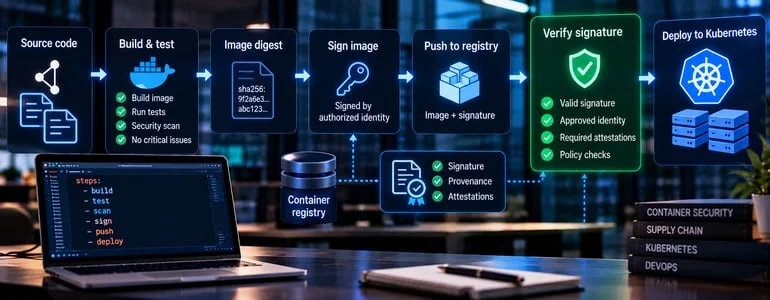
Container image signing adds a crucial layer of security in DevOps, ensuring only verified images are deployed, thus mitigating supply chain vulnerabilities.
Metamorphic testing offers a strategic approach for validating large language models by leveraging expected relationships between inputs and outputs.
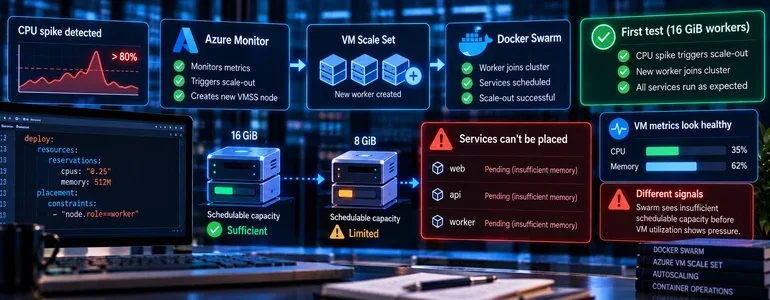
Understanding the misalignment between Docker Swarm scheduling and Azure Monitor can enhance resource management and performance in container orchestration.
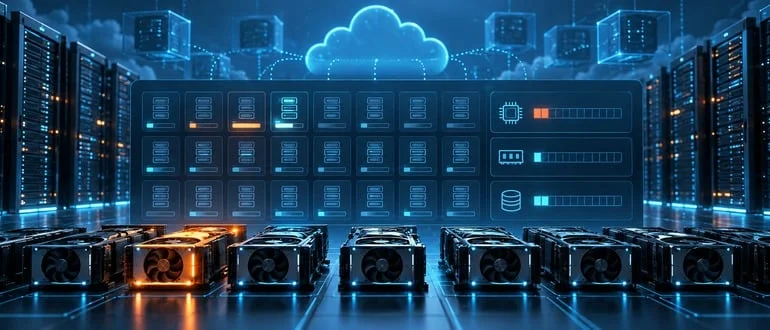
The drop in resource utilization on AKS highlights inefficiencies, with CPU use at 8% and GPU at just 2%, prompting a need for better optimization strategies.
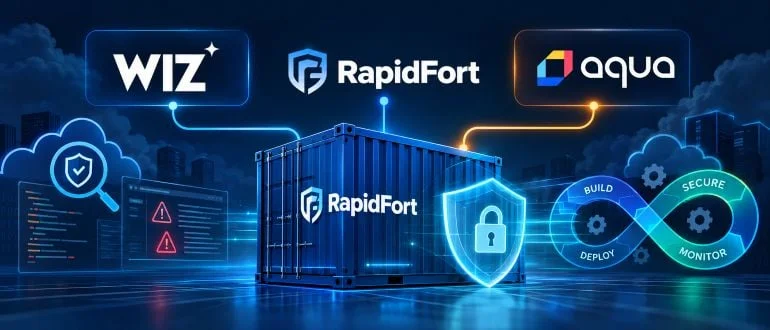
RapidFort is teaming up with Wiz and Aqua Security to streamline vulnerability management in cloud-native applications, enhancing DevSecOps workflows.
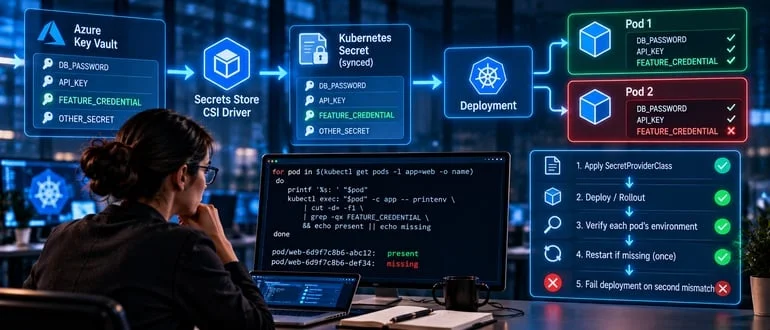
A Kubernetes configuration issue led to a mismatch in environment variables between two pods, highlighting the importance of synchronized updates for Secrets.
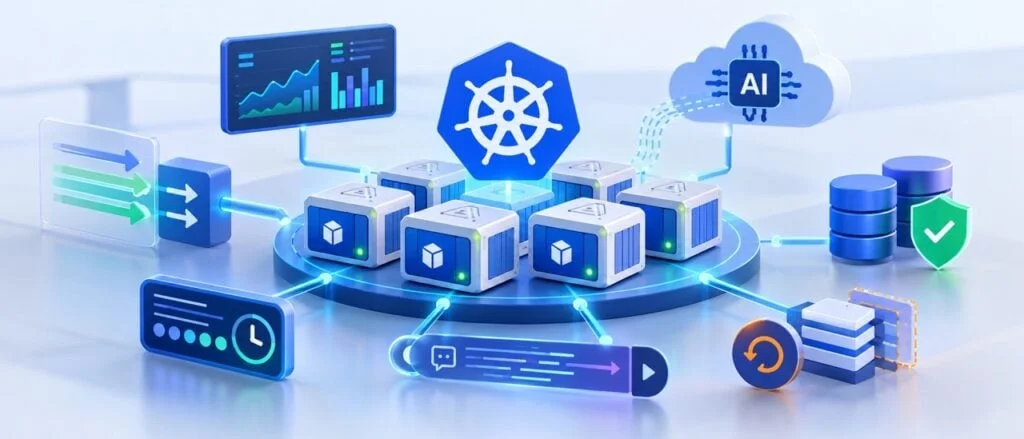
Explore six key practices to enhance the stability and performance of enterprise AI applications running on Kubernetes.
Automating WebRTC failure simulations enhances reliability and comparability, offering precise measures of behavior during network interruptions.
Frustrated by soaring token expenses, I designed a targeted toolkit aimed at reducing costs while maintaining quality in coding tasks.