Navigating the Complexity of Kubernetes: Understanding the Scaling Challenge
Kubernetes environments can evolve into complex systems that limit maintainability, posing challenges for enterprise platform teams.
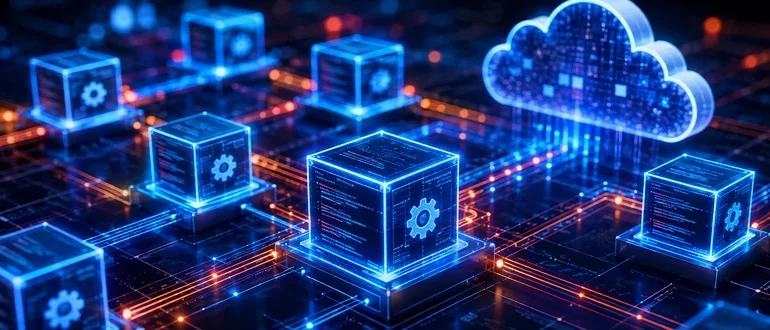
Multi-cloud environments promise flexibility but introduce unique reliability challenges that can complicate operations beyond expectation.
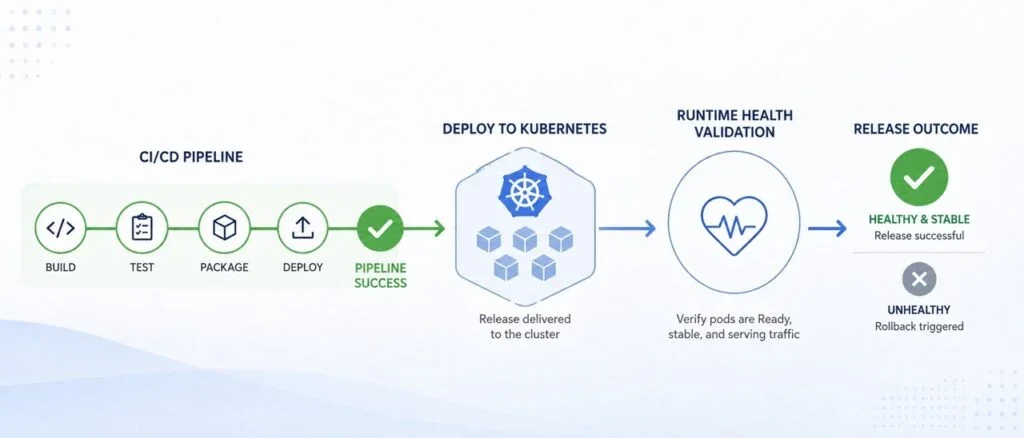
Streamlining Kubernetes release validation transformed our process, reducing check times from 45 minutes to just 2, boosting reliability and operational confidence.
Docker’s new Virtual Machine Manager aims to streamline performance across Windows, macOS, and Linux, reducing cross-platform issues for users.
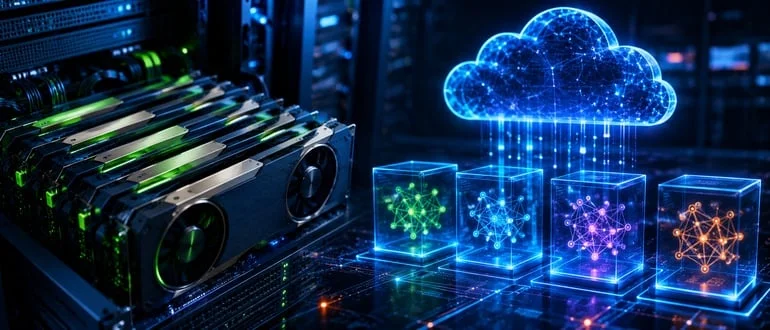
Discover how to address Kubernetes' limitations in GPU resource allocation to reduce costs and improve efficiency for AI and machine learning applications.
Cloud-native architectures enhance speed but complicate testing, as independent deployments often lead to outdated mocks and unreliable integration tests.
Unlock the full potential of GPU resources in Kubernetes by transitioning from rigid pod assignments to more flexible, optimized configurations.
Implement automatic reviews to ensure your AI agent skills are secure before deployment, mitigating the risks of malicious code and security breaches.
Integrating AI into incident response necessitates significant workflow changes, transforming traditional tools into efficient AIOps systems.
As AI agents gain new operational capabilities, the need for kernel-level monitoring becomes essential to mitigate emerging security risks.
A recent winter storm exposed the vulnerabilities in a large LLM pipeline, prompting a redesign to ensure stability during traffic spikes.
This article outlines the development of an automated incident triage agent using .NET to streamline alerts and improve response efficiency.
Structured logging is essential for effective observability in distributed systems, yet many teams struggle to implement it efficiently.
Streamline your microfrontend projects with an efficient approach to integrating React components, minimizing redundant code.
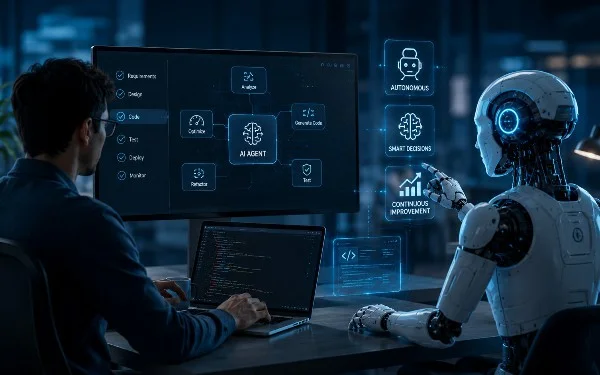
By 2026, autonomous AI agents will significantly enhance software development workflows, automating tasks and changing team dynamics.